We are excited to announce that CIQTEK will exhibit at JASIS 2025, one of the largest exhibitions in Asia for analytical and scientific instruments. We warmly invite you to visit us at Booth 7B-407 to explore our latest innovations and connect with our expert team.

  • Date: September 3–5, 2025
  • Location: Makuhari Messe International Exhibition Hall, Chiba, Japan
  • CIQTEK Booth: 7B-407

At this year’s show, CIQTEK will highlight a range of cutting-edge technologies across multiple categories, including:

Electron Microscopy (SEM, FIB-SEM, TEM)

Experience the performance of CIQTEK’s high-resolution scanning electron microscopes (SEM) and focused ion beam FIB-SEM, designed to support advanced research in materials science, life sciences, semiconductors, and more.


Electron Paramagnetic Resonance (EPR) Spectrometer

Discover our growing EPR product portfolio, including floor-standing/benchtop EPR, pulse/CW EPR, widely used in chemistry, materials, catalysis, and biological research.


Surface Area and Porosity Analysis

CIQTEK will also showcase its BET analyzers and related instruments for surface area, pore size, and gas adsorption characterization, which are critical tools in fields like pharmaceuticals, catalysts, and nanomaterials.


See you at Booth 7B-407

Join us to discover how CIQTEK is advancing the future of scientific instrumentation!

Discover CIQTEK Flagship Technologies at JASIS 2025, Booth 7B-407

When choosing a high-speed scanning electron microscope (SEM) for a research lab, it's not just about magnification or resolution anymore. Modern research demands faster, smarter, and more flexible imaging solutions. Whether you’re working in materials science, life sciences, nanotechnology, or additive manufacturing, the right SEM can dramatically accelerate your workflow and elevate your results.

Here are the top 5 features to consider when evaluating high-speed SEMs for your research:


1. Fast Scanning with High Image Quality

Speed is crucial in high-throughput environments, but it shouldn’t come at the expense of image quality. Look for an SEM with fast scan capabilities, including:

  • High scanning speeds without distortion

  • Real-time image rendering

  • Flexible dwell time control

This enables researchers to image more samples in less time while maintaining the high-resolution detail necessary for in-depth analysis. The best fast SEM imaging systems will strike this balance perfectly.


2. Low Voltage Imaging Capabilities

Delicate samples, especially biological, polymer, or nanostructured materials, are sensitive to beam damage. A top-tier SEM should support:

  • Stable imaging at low accelerating voltages (e.g., 0.2–5 kV)

  • Surface-sensitive detail without conductive coating

  • Reduced sample charging and artifacts

Choosing a low-voltage SEM helps expand your imaging possibilities and protect valuable specimens.


3. Automated Functions for Reproducibility & Efficiency

Automation isn’t just convenient. It transforms productivity. Leading-edge SEMs now offer:

  • Auto focus, auto stigmation, and auto contrast/brightness

  • Automated stage navigation, area mapping, and image stitching

  • Pre-programmed imaging workflows for routine analysis

A truly automated SEM reduces user variability and supports reproducible results across multiple users or shifts.


4. Flexible Data Export and Smart Analysis Tools

Today’s labs need more than just images; they need actionable data. The right SEM for research labs should provide:

  • Easy data export in multiple formats (TIFF, JPEG, raw, etc.)

  • Compatible interfaces with third-party analysis software

  • Support for real-time EDS or 3D image reconstruction

An SEM’s data management features are often overlooked, but they are crucial for streamlining post-imaging workflows and collaborations.


5. Exceptional Speed and Value: Why Labs Are Choosing CIQTEK HEM6000

For research labs seeking the best SEM for high-speed imaging, CIQTEK HEM6000 delivers a compelling balance of performance, versatility, and affordability:

  • High-speed SEM imaging with distortion-free results

  • Low-voltage SEM capabilities down to 200 V for sensitive or non-conductive samples

  • Smart automation features like auto focus, stigmation, and stage navigation

  • 5-axis motorized stage and large sample chamber for flexible workflows

  • High-resolution output across a wide voltage range

  • User-friendly interface and intuitive controls, ideal for both experts and new users

Whether you're upgrading your current system or setting up a new lab, CIQTEK HEM6000 stands out as a high-speed SEM that accelerates discovery without compromising your budget.

ciqtek High Speed SEM


Selecting the right high-speed SEM involves more than comparing datasheets. It’s about finding a system that:

  • Matches your research goals

  • Speeds up your imaging workflow

  • Supports reproducibility and collaboration

  • Provides long-term value

By focusing on the five key features above and exploring cutting-edge options like the CIQTEK HEM6000, you’re investing in better data, faster insights, and more impactful research.


Ready to Accelerate Your Research with CIQTEK HEM6000?


Contact CIQTEK today to learn how our high-speed SEM solutions can help your lab achieve fast, reliable, and cost-effective imaging.

WAIN “High-Voltage Connector Series for Special Vehicles” is a high-performance, compact alloy-shell interconnect solution designed for construction machinery, commercial vehicles, and other special-purpose vehicles.

This solution features a unique design and advanced manufacturing process, delivering electrical ratings of up to 1500V DC and 500A Max. It is equipped with IP67/IP69K level protection and 360° electromagnetic shielding for optimal durability and reliability.

Additionally, it offers multiple keying options, both angled and straight cable outlet configurations, and supports up to three contact positions, accommodating cable sizes ranging from 2.5mm² to 120mm².

This connector series is widely used in the power distribution systems of various vehicles, including automobiles, trucks, buses, agricultural vehicles, construction vehicles, and off-road vehicles, as well as in the power supply applications of agricultural, construction, and off-road machinery. 


In the new energy sector, WAIN primarily provides essential services to electric vehicle manufacturers and supports traditional construction machinery companies transitioning toward new energy solutions. WAIN has successfully developed a comprehensive range of products compliant with GB/T 20234.1 and IEC 62196.2 standards, including GB/T AC/DC charging sockets, GB/T AC charging guns, and Type 2 charging guns and sockets. Particularly notable is the PCBA quick-change terminal version of the GB/T DC charging socket, which significantly enhances efficiency and reduces costs in wiring harness applications and maintenance.

In addition to supporting mass production for customers in the construction machinery and electric vehicle sectors, WAIN proactively aligns with industry trends in electric vehicle technology, especially battery-swapping solutions. The company continuously develops innovative products tailored to customer needs, providing diverse options to enhance battery-swapping systems.

CIQTEK successfully concluded a dynamic and rewarding week at Microscopy & Microanalysis 2025 (M&M 2025), one of the most influential events in the global microscopy community. This marks another important milestone as we continue to expand our presence in the North American electron microscopy market.


CIQTEK at M&M 2025: Advancing Our North American Electron Microscopy Journey


At the booth, our team engaged with a wide range of researchers and professionals from materials science, life science, and beyond. We showcased our latest innovations in high-performance field emission scanning electron microscopy (FESEM), with a focus on imaging speed, resolution, and user-friendly operation. The strong interest and positive feedback we received on-site reaffirmed the value of our technologies to the scientific community.

A key highlight of the event was our well-attended Vendor Tutorial, featuring CIQTEK electron microscopy expert Mr. Luke Ren. His presentation on high-speed FESEM (HEM) imaging sparked insightful discussions and active engagement from the audience. We were excited to see the high level of interest, and we sincerely thank everyone who participated and contributed to the success of this session.


CIQTEK at M&M 2025: Advancing Our North American Electron Microscopy Journey


We also extend our heartfelt thanks to our trusted U.S. distributor, JH Technologies, for their outstanding support throughout the event. Their professionalism and dedication played a crucial role in helping us connect with more users and partners nationwide. Together, we are building a stronger foundation for CIQTEK's long-term growth in North America.

M&M 2025 was not just a trade show; it was a meaningful step forward in our journey to bring cutting-edge electron microscopy solutions to more scientists and institutions. We are energized by the conversations and inspired by the collaborations, and we are already looking ahead to future opportunities.


We look forward to seeing you at M&M 2026 in Milwaukee!

Sodium-ion batteries (SIBs) are attracting attention as a cost-effective alternative to lithium-ion batteries, thanks to the abundant sodium content in Earth’s crust (2.6% vs. 0.0065% for lithium). Despite this, SIBs still lag in energy density, highlighting the need for high-capacity electrode materials. Hard carbon is a strong candidate for SIB anodes due to its low sodium storage potential and high capacity. However, factors like graphite microdomain distribution, closed pores, and defect concentration significantly impact initial Coulombic efficiency (ICE) and stability. Modification strategies face limits. Heteroatom doping can raise capacity but reduce ICE. Traditional CVD helps form closed pores but suffers from slow methane decomposition, long cycles, and defect buildup.


AFM Publication: CIQTEK SEM Aids in Hard Carbon Morphology Study

Professor Yan Yu’s team at the University of Science and Technology of China (USTC) utilized the CIQTEK Scanning Electron Microscope (SEM) to investigate the morphology of various hard carbon materials. The team developed a catalyst-assisted chemical vapor deposition (CVD) method to promote CH₄ decomposition and regulate the microstructure of hard carbon. Transition metal catalysts such as Fe, Co, and Ni effectively lowered the energy barrier for CH₄ decomposition, thereby improving efficiency and reducing deposition time.

However, Co and Ni tended to cause excessive graphitization of the deposited carbon, forming elongated graphite-like structures in both lateral and thickness directions, which hindered sodium-ion storage and transport. In contrast, Fe facilitated appropriate carbon rearrangement, resulting in an optimized microstructure with fewer defects and well-developed graphite domains. This optimization reduced irreversible sodium storage, enhanced initial Coulombic efficiency (ICE), and increased the availability of reversible Na⁺ storage sites.

As a result, the optimized hard carbon sample (HC-2) achieved an impressive reversible capacity of 457 mAh g⁻¹ and a high ICE of 90.6%. Moreover, in-situ X-ray diffraction (XRD) and in-situ Raman spectroscopy confirmed a sodium storage mechanism based on adsorption, intercalation, and pore filling. The study was published in Advanced Functional Materials under the title:
Catalyst-Assisted Chemical Vapor Deposition Engineering of Hard Carbon with Abundant Closed Pores for High-Performance Sodium-Ion Batteries.


AFM Publication: CIQTEK SEM Aids in Hard Carbon Morphology Study


As illustrated in Figure 1a, the hard carbon was synthesized via a catalyst-assisted chemical vapor deposition (CVD) method using commercial porous carbon as the precursor and methane (CH₄) as the feed gas. Figure 1d shows the adsorption energies of CH₄ and its dehydrogenated intermediates on metal catalysts (Fe, Co, Ni) and porous carbon surfaces, indicating that the introduction of metal catalysts lowers the energy barrier for CH₄ decomposition, with Fe being the most effective in promoting the breakdown of CH₄ and its intermediates.

High-resolution TEM (HRTEM) images under different catalyst conditions (Figures 1e–h) reveal that:

  • Without a catalyst, the hard carbon exhibits a highly disordered structure rich in defects.

  • With Fe as the catalyst, the resulting hard carbon features short-range ordered graphite-like microcrystals and closed pores embedded between graphite domains.

  • Co promotes the expansion of graphite domains and increases the number of graphite layers.

  • Ni leads to a graphitic structure and even the formation of carbon nanotubes, which, despite their high order, are unfavorable for sodium-ion storage and transport.


AFM Publication: CIQTEK SEM Aids in Hard Carbon Morphology Study


Figure 2 presents the structural characterization results of hard carbon materials prepared with varying concentrations of FeCl₃. The XRD patterns (Figure 2a) and Raman spectra (Figure 2b) indicate that as the FeCl₃ concentration in the impregnation solution increases, the graphite interlayer spacing gradually decreases (from 0.386 nm to 0.370 nm), the defect ratio (ID/IG) decreases, and the lateral crystallite size (La) increases. These changes confirm that Fe catalyzes the rearrangement of carbon atoms, enhancing the degree of graphitization.

X-ray photoelectron spectroscopy (XPS) results (Figures 2c and 2e) show that with increasing Fe catalyst concentration, the proportion of sp²-hybridized carbon in hard carbon increases, further indicating improved graphitization. At the same time, the oxygen content in the hard carbon decreases, which may be attributed to hydrogen (H₂) generated from CH₄ decomposition consuming oxygen during carbonization, thereby reducing surface oxygen-related defects.

Small-angle X-ray scattering (SAXS) analysis (Figure 2f) reveals average closed-pore diameters of 0.76, 0.83, 0.90, 0.79, and 0.78 nm, respectively. Larger closed pores are beneficial for stabilizing sodium clusters and improving Na⁺ transport kinetics.

HRTEM images (Figures 2g–i) show small graphite domains at low Fe loading, while excessive catalyst loading leads to long-range ordered structures with narrower interlayer spacing, which can hinder Na⁺ transport.


AFM Publication: CIQTEK SEM Aids in Hard Carbon Morphology Study


Figure 3 shows the effect of different Fe catalyst loadings on the electrochemical performance of hard carbon materials. Galvanostatic charge–discharge tests (Figure 3a) reveal that as the concentration of FeCl₃ in the impregnation solution increases, HC-2 (0.02 M FeCl₃) exhibits the best performance, with a reversible capacity of 457 mAh g⁻¹ and a high initial Coulombic efficiency (ICE) of 90.6%. The low-voltage plateau accounts for a significant portion of the capacity (around 350 mAh g⁻¹), indicating the advantage of closed pores in sodium storage.

Excessive catalyst loading (e.g., HC-4) leads to a decrease in capacity (377 mAh g⁻¹) due to the over-ordering of carbon layers, highlighting the need to balance graphite domain growth and sodium-ion transport pathways. After 100 cycles at a current density of 0.5 A g⁻¹, the capacity remains at 388 mAh g⁻¹, demonstrating that larger closed pores enhance the stability of Na clusters and improve Na⁺ transport kinetics.


AFM Publication: CIQTEK SEM Aids in Hard Carbon Morphology Study


Figure 4 shows the SEI structure on different hard carbon surfaces: (a) and (b) depict the depth profiles and distributions of NaF⁻, P, and CH₂ species in opt-HC and HC-2, respectively. (c) and (d) present TEM images of opt-HC and HC-2 after 10 cycles at 30 mA g⁻¹. (e) and (f) display the XPS spectra of opt-HC and HC-2 after 10 cycles at 30 mA g⁻¹. (g) shows the HRTEM image of HC-2 after 10 cycles at 30 mA g⁻¹. EPMA mapping images of the electrode cross-sections for (h) opt-HC and (i) HC-2 are shown after the first cycle.


AFM Publication: CIQTEK SEM Aids in Hard Carbon Morphology Study


As shown in Figure 5, the GITT curves (Figure 5a) reveal that the Na⁺ diffusion coefficient (DNa⁺) of HC-2 is higher than that of opt-HC, indicating that HC-2 exhibits faster kinetics and enables quicker Na⁺ diffusion.

The in situ Raman spectra (Figure 5b) show that during discharge from open-circuit voltage to approximately 0.7 V, the D-band gradually broadens while the G-band remains relatively unchanged, suggesting that sodium storage at this stage is dominated by surface adsorption. As discharge proceeds further, the D-band intensity weakens and the G-band redshifts, indicating that Na⁺ begins to intercalate into graphene layers. After reaching the plateau near 0.05 V, the G-band stabilizes, implying that Na⁺ fills into the closed pores.

In the in situ XRD patterns (Figure 5c), the (002) peak intensity of HC-2 significantly decreases at lower angles during discharge, confirming Na⁺ intercalation between graphene layers. Compared to opt-HC, the (002) peak shift in HC-2 is more pronounced, indicating a greater extent of Na⁺ intercalation into the carbon layers, contributing to its higher capacity.

Together, Figures 5b and 5c illustrate that the sodium storage mechanism involves: (1) Na⁺ adsorption, (2) Na⁺ interlayer adsorption/intercalation, and (3) Na⁺ pore filling and clustering.


AFM Publication: CIQTEK SEM Aids in Hard Carbon Morphology Study


Figure 6 illustrates the electrochemical performance of a full cell assembled using the HC-2 anode and an O3-type NaNi₁/₃Fe₁/₃Mn₁/₃O₂ cathode. The cell demonstrates excellent rate capability and long-term cycling stability under various current densities, confirming the potential of the HC-2 anode for practical battery applications.


Professor Yu Yan’s team proposed a novel catalyst-assisted chemical vapor deposition (CA-CVD) method that enables the precise synthesis of hard carbon anodes featuring abundant closed pores, well-developed graphitic domains, and controllable defects. The optimized HC-2 anode exhibits a high reversible capacity of 457 mAh g⁻¹ and an impressive initial Coulombic efficiency of 90.6%. When paired with an O3-type layered cathode in a soft-packed full cell, the battery retains 83% of its capacity after 100 cycles, maintaining a reversible capacity above 400 mAh g⁻¹.

This method not only offers a new route for the controlled fabrication of high-capacity and high-efficiency hard carbon anodes but also provides mechanistic insights into sodium storage behavior, supporting further optimization of material systems. It holds significant promise for advancing high-energy-density sodium-ion battery (SIB) technologies toward practical applications.

If you’re tired of watches that blend into the background, meet Volt—the timepiece that refuses to play by the rules. More than just a way to tell time, it’s a declaration of who you are. Let’s start with the design: precision-cut geometric indices and angular hands break free from traditional shapes, creating a bold minimalist look that turns heads. Pair that with a dynamic sunray dial and vibrant hues, and you’ve got a watch that adds personality to every outfit, whether you’re in a suit or jeans.​


What truly sets Volt apart is its versatility. Lightweight enough for all-day wear, it transitions smoothly from morning meetings to weekend hikes. And with 50m water resistance, you don’t have to worry about splashes or sudden rain. Powered by reliable quartz movement, it keeps ticking with pinpoint accuracy.​


But here’s the kicker: Volt isn’t just for individuals. We offer custom designs and wholesale options, so businesses can make this standout timepiece their own. Whether you want branded watches for your team or unique styles for your store, Volt adapts to your vision. Because great style shouldn’t be one-size-fits-all—and neither should your watch.

Trendsetting designer watch

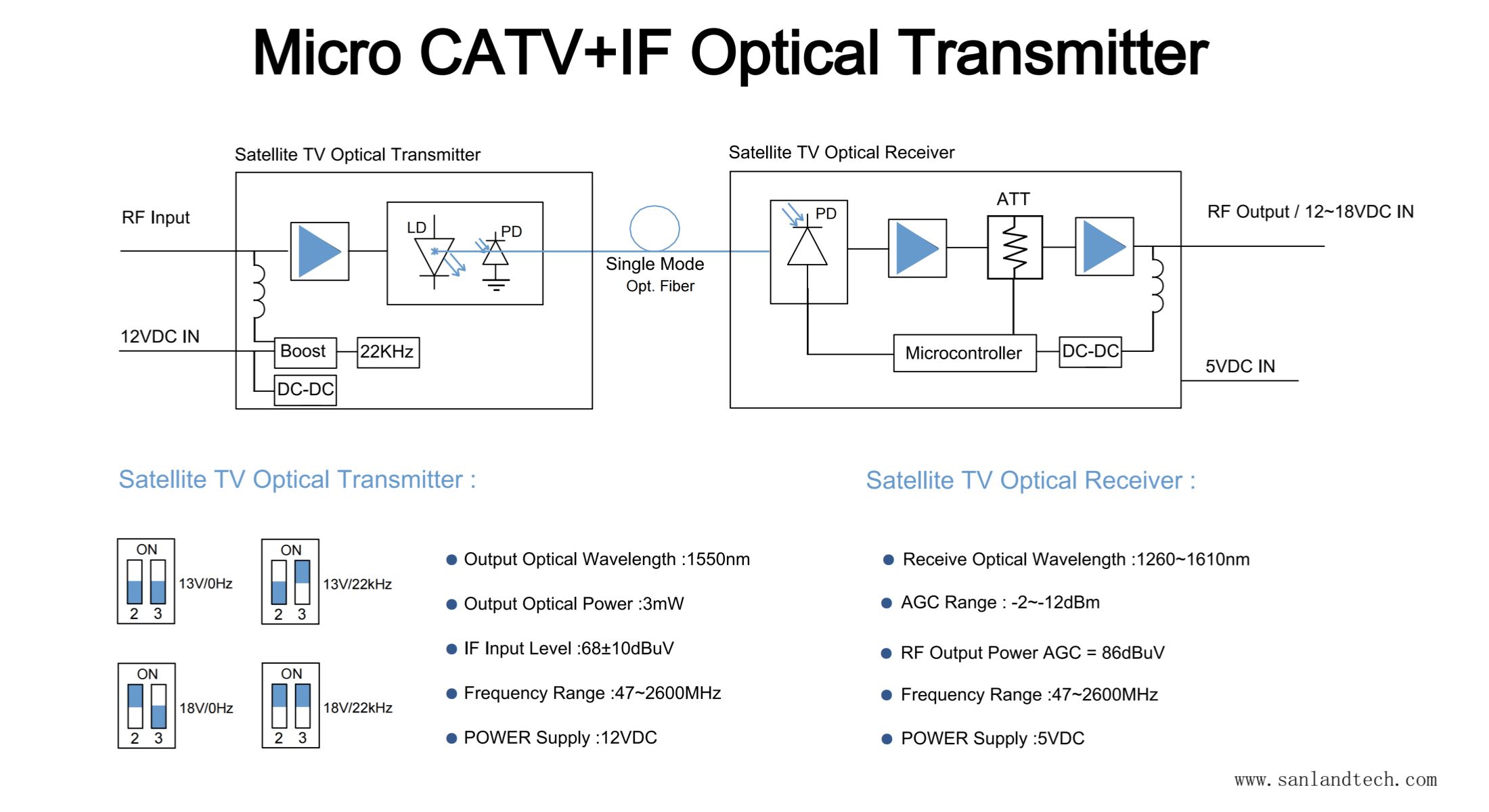
In the field of modern communications, fiber optic cables have become the core carrier of information transmission due to their excellent performance. Compared with traditional copper cables, their advantages in speed, bandwidth, and reliability are irreplaceable, profoundly changing people's communication and lifestyle. This article will elaborate on key aspects of fiber optic cables, including their definition, working principle, types, selection methods, installation, and maintenance.、


 fiber optic cables


I. Definition and Working Principle


What is a Fiber Optic Cable?


A fiber optic cable is a transmission medium with thin glass or plastic optical fibers as the core, covered by a protective layer, capable of efficiently transmitting optical signals.
 

Working Principle


Fiber optic cables work based on the principle of total internal reflection of light: the refractive index of the core is higher than that of the cladding. When an optical signal enters at an angle greater than the critical angle, it undergoes continuous total reflection at the interface and propagates along the core. At the transmitting end, electrical signals are converted into optical signals and input, and at the receiving end, they are converted back into electrical signals, achieving high-speed transmission with low loss and anti-interference.


Common connector types include SC, LC, ST, and MTP/MPO, etc. They each have their own characteristics in terms of insertion loss, installation difficulty, and durability. Selection should be based on specific application scenarios to ensure signal quality and network performance.
 

II. Main Types


Single-mode Fiber


The core diameter is 8-10μm, allowing only one light mode to transmit. It has extremely low loss, long transmission distance, and large bandwidth, suitable for long-distance high-speed communication. Divided into OS1 (indoor) and OS2 (outdoor and long-distance), it is used in long-distance telecommunications, data center interconnection, etc.
 

Multi-mode Fiber


The core diameter is 50-62.5μm, allowing multiple light modes to transmit simultaneously. Due to modal dispersion, its transmission distance and bandwidth are limited, suitable for short-distance scenarios. It is mainly used in local area networks of office buildings and campuses. Models OM3 and OM4 are compatible with high-bandwidth protocols such as Ethernet.
 

III. Selection Methods

 
Comprehensive considerations are required:

  • Transmission Distance and Bandwidth: For long-distance and high-bandwidth, single-mode is preferred; for short-distance and medium-bandwidth, multi-mode is more economical.
  • Environmental Conditions: For outdoor use, choose weather-resistant and moisture-proof types; in strong electromagnetic environments, armored cables may be needed.
  • Cost and Compatibility: Single-mode has a high initial cost but high long-term cost performance; multi-mode has low deployment cost. Meanwhile, it is necessary to match the connector types and splicing methods of existing equipment.

Bandwidth determines the data transmission capacity per unit time. When selecting, it is necessary to combine application requirements to ensure efficient operation of the system.
 

IV. Installation and Maintenance Skills


Installation Best practices


  • Strictly follow the specifications and maintain the minimum bending radius to avoid excessive bending.
  • Reasonably plan the routing and add protective devices to prevent tension and environmental damage.
  • Conduct multiple tests during installation to check for high attenuation and reflection problems, and clean and handle connectors.
  • Record information such as routing and joint positions for convenient subsequent maintenance.


Maintenance Skills


  • Regularly use professional equipment to detect signal loss and system integrity.
  • Clean connectors according to a fixed schedule using special cleaning tools and methods, and test after cleaning to ensure effectiveness.
  • Detailed records of maintenance work, including test results and cleaning time, help evaluate network status and predict maintenance needs, reducing operating and life-cycle costs.

As the cornerstone of modern communications, the importance of fiber optic cables is self-evident. FiberWDM has established an excellent reputation in the fiber optic cable industry by virtue of its superior product performance, customized services, strict quality control, and comprehensive after-sales support. Whether it is building large-scale communication networks or upgrading small local area networks, FiberWDM can provide you with high-quality and reliable fiber optic cable solutions, helping your communication business reach new heights.


In an era of accelerating iterations in electronic devices, the stability and adaptability of core components directly determine the performance ceiling of equipment. With over 10 years of technical accumulation in the electronics industry, our company not only delivers stable product quality but also boasts strong customization capabilities. Recently, the successful mass production of the custom ETD39 high-frequency transformer bobbin with 8+8 pins for a client has further demonstrated our prowess in customized solutions. By choosing us, you will gain reliable products, high-quality services, and full-chain supporting support, ensuring that core components never become a bottleneck for your equipment development.

I. Mass Production of ETD39: Speaking Through Reliable Quality

More than 10 years of deepening the electronic industry, our company understands the critical importance of "stability" for core components. From raw material selection to production process refinement, we have established a stringent quality control system. The mass production of the ETD34 high-frequency transformer bobbin stands as a testament to the effectiveness of this system.

From mold development to trial production, this bobbin underwent rigorous performance testing by professional engineers, including stability tests under high and low temperatures, insulation performance verification under long-term loads, and adaptability debugging with various types of high-frequency transformers. Every piece of data underscores our commitment to "reliable quality." The launch of mass production means you can obtain standardized, highly stable core components in bulk, eliminating concerns about quality fluctuations during small-batch trials—this is the confidence derived from over 10 years of technical accumulation.

II. ETD39 Solution: Solving Pain Points with Phenolic Materials and Problem-Solving Expertise

Equipment requirements vary widely, and standardized products may not always offer a perfect fit. Our customization service is designed to break through the "general-purpose component adaptation bottleneck," with the custom ETD39 transformer bobbin serving as a prime example.

To address the space constraints and performance requirements of the client’s specialized equipment, we selected high-performance phenolic material—a material with excellent heat resistance, aging resistance, and insulation properties, making it ideal for precision equipment. During development, our team tackled multiple challenges such as "structural compactness vs. heat dissipation efficiency" and "material strength vs. machining precision." Through numerous mold optimizations and process adjustments, the product ultimately passed extreme tests including vibration and impact, achieving the goal of "reliability and stability."

Multi-layer air coil inductor

Our products are suitable for manufacturing, military industry, aerospace, and household appliances, such as communication equipment, servo motors, and switching power supply transformers. Whether you need transformers with special dimensions, materials, or performance, our customization service can respond precisely, ensuring seamless integration between core components and equipment.

III. From Core Components to Peripheral Accessories: One-Stop Equipment Needs Fulfillment

Choosing our company means gaining not just a single product, but full-chain support covering "core components + peripherals." Our main business includes core equipment such as high-frequency transformers, flyback transformers, and potted transformers, as well as supporting accessories like high-frequency transformer clips, bases, and housings, along with key components such as ferrite cores, powder cores, high-power inductors, energy storage inductors , current transformers, and high current transformers.

Switching Mode Power Supply Transformer

The advantages of this full-industry-chain layout are clear: when purchasing the ETD39 high-frequency transformer bobbin, you can simultaneously procure matching clips and housings, reducing communication costs with multiple suppliers. When customizing the ETD39 bobbin, we can coordinate parameter optimization of cores, inductors, and other accessories to ensure optimal system performance. From parameter matching advice in the early design stage to supply chain guarantees during mass production, high-quality service runs through every step, saving you time and effort.

IV. Choose Us: Let Core Components Become a "Plus" for Your Equipment

Competition in electronic equipment ultimately hinges on attention to detail. With years of technical accumulation, our company has developed an unwavering focus on "reliability"—from standardized quality control in ETD39 coil former mass production to material and process breakthroughs in ETD39 customization, every step is designed to safeguard stable equipment operation.

If you are troubled by quality fluctuations in core components, our products and services offer a stable "plug-and-play" experience. If you are hindered by technical barriers in customization, our engineering team will collaborate with you to overcome challenges. If you need a one-stop accessory solution, our comprehensive product range can improve procurement efficiency by over 50%. Additionally, we provide various finished transformers, filters, high frequency inductors , and high-current transformers.


Our company firmly believes that excellent core components should not only meet performance requirements but also serve as a "booster" for your equipment upgrades. We look forward to partnering with you to ensure every piece of equipment is equipped with time-tested core momentum.

Contact us today to explore bulk orders or request technical specifications.

Email: sales008@mycoiltech.com

Encapsulated transformer


Electricity is the "lifeblood" of modern society. From the lighting of household lamps to the roar of factory machines, from the stability of urban power grids to the efficiency of industrial systems, the safety and smoothness of every power scenario rely on accurate control of circuit operation status. However, the invisibility of electric current, the high risk of voltage, and the huge differences in current values make troubleshooting and prevention of circuit faults an extremely challenging task. In this context, key power components centered on precision technology have become "invisible guardians" of power safety—and our company has always provided solid support for the safe and efficient operation of power systems with its professional product matrix.


Core Demands of Power Safety: Accurate Measurement and Reliable Protection

Hidden dangers of circuit faults often lie in subtle changes in current. Whether it is local abnormalities caused by line aging or current fluctuations due to the start-up of high-power equipment, failure to monitor and intervene in a timely manner will at best affect production and daily life, and at worst endanger lives and property. Just as medical diagnosis requires accurate stethoscopes, "health monitoring" of circuits also depends on professional tools: on the one hand, current values in different scenarios vary greatly, ranging from a few amperes to tens of thousands of amperes, requiring equipment to have the ability to "standardize" complex currents; on the other hand, the danger of high-voltage lines determines the need for electrical isolation to ensure the safe operation of measurement and protection equipment; more importantly, in the event of a fault, a fast-response protection mechanism is required to cut off the dangerous circuit in time and minimize losses.

High Precision Current Transformer

In this process, current transformers play an irreplaceable role. As the "sensory nerves" of power systems, they must not only convert the high current of the primary system into low current bearable by secondary equipment in proportion (China stipulates that the secondary rated current is 5A or 1A) to realize safe measurement, but also cooperate with relay protection devices to transmit signals and trigger protection mechanisms when faults such as short circuits and overloads occur. For precision scenarios, higher accuracy is required for current measurement—the accurate conversion from ampere level to milliampere level is the core prerequisite for ensuring metering (billing) and equipment operation monitoring.


Responding to Diverse Needs of Power Systems with a Full Range of Product Portfolio

Facing the multiple requirements of power systems for accuracy, reliability, and compatibility, our company have deepened its presence in the field of high-frequency electronics and precision manufacturing, providing one-stop solutions with a full range of product portfolio, so that every power scenario can obtain suitable professional support.

As the core of the "sensory endings" of power systems, our company's precision current transformers undertake the dual mission of accurate measurement and reliable protection. Relying on cutting-edge manufacturing processes, our precision current transformers can not only achieve stable conversion from high current to standard low current, but also meet the accurate capture of subtle currents (mA level). Whether it is cooperating with metering equipment to achieve fair billing, assisting monitoring devices to grasp equipment operation status, or linking with relay protection systems to achieve rapid fault response, they can build a solid line of defense for power safety with excellent performance.

In the link of power energy conversion and transmission, high-frequency electronic transformers are the key to improving efficiency. Our company's high-frequency electronic transformers, featuring high efficiency and low loss, adapt to energy conversion needs of different power scenarios. While reducing equipment volume, they ensure the stability of power transmission, providing core power support for new energy, industrial control and other fields. As the "stabilizers" of circuits, high-frequency inductors suppress current fluctuations, filter noise, ensure the continuous and stable operation of circuits under complex working conditions, and work in synergy with high-frequency electronic transformers to improve the overall reliability of the system.

Customized Flyback Transformer

In addition, our company are well aware of the integrity and compatibility of power systems. The electronic transformer accessories we provide, from connectors to protective components, are manufactured to strict standards to ensure perfect adaptation to main equipment such as high-frequency electronic transformers and precision current transformers, avoiding the impact of accessory defects on system performance, and truly achieving full-chain quality control "from core to details".


Upholding Professional Original Aspiration, Jointly Building a Safe Future for Power

Power safety is no small matter, and the performance of every component is related to the overall safety of the system. Our company have always taken "precision, reliability, and innovation" as the core, integrating the efficiency of high-frequency electronic transformers, the stability of power inductors, the accuracy of precision current transformers, and the adaptability of transformer accessories into every manufacturing detail. We believe that only by responding to the essential needs of power systems with professional technology can we truly safeguard the safe transmission of every kilowatt-hour of electricity, making life more secure and industry more efficient.

Common mode choke design

Looking ahead, our company will continue to deepen its roots in the power electronics field, drive product upgrading through technological innovation, and let precision technology serve as a solid backbone for power safety, working with industry partners to build a more reliable and intelligent power ecosystem. We look forward to engaging in in-depth exchanges with industry peers, jointly contributing to the development of the power electronics sector. To better support diverse needs, we offer both bulk orders and customized services, backed by a high-quality service network to ensure seamless cooperation. You can reach us via WeChat ID:MCT008Alex , email: sales008@mycoiltech.com, or our company website:www.mycoiltech.com—let’s join hands to forge a more robust future for power electronics.