Across chemistry and materials science labs, EPR spectrometers have powered research for decades. But as experimental needs advance, many facilities are facing the same question: When is it time to modernize your EPR system?

Instead of costly full replacements, more labs are turning to targeted modernization to bring aging EPR equipment up to current research standards while maximizing existing hardware investment.


The Hidden Cost of Outdated EPR Instruments

Many EPR spectrometers installed in the 1990s or early 2000s still function for basic CW measurements. However, as field stability weakens, control electronics degrade, and cryogenic components age, research capabilities gradually decline.

A materials group in Germany recently struggled to maintain pulse stability on their 20-year-old system while expanding into low-temperature spin dynamics. With spare parts becoming scarce, their system downtime was increasing.

Similar challenges appear in US chemistry departments, where outdated control software makes EPR training unnecessarily complex for graduate students. Some labs operate systems that only a few technicians can run reliably.


What EPR Modernization Really Delivers

Modernizing an EPR system allows labs to extend instrument lifetime and add advanced functionality significantly. Instead of replacing entire magnets or RF hardware, EPR modernization and upgrades focus on:

 - Digital control electronics with improved field precision

 - Pulse EPR capability with modern phase coherence and timing resolution

 - Seamless integration of nitrogen and helium cryostat systems for variable temperature studies

 - Fully digital software interfaces that simplify both teaching and advanced research

This approach preserves valuable core components while dramatically expanding experimental capability.


Real-World Case: Advanced Materials Research Enabled by EPR Modernization

At a leading national laboratory in China, a research team studying spin defects and paramagnetic centers encountered serious limitations with their legacy EPR system. Their older EPR spectrometer lacked the phase stability and pulse flexibility required for precise coherence and relaxation measurements. After a full digital control and pulse module upgrade delivered by CIQTEK, the lab successfully expanded into advanced pulse EPR experiments while preserving its existing hardware setup. 

Similar modernization projects have been successfully completed at several European research institutes, supporting new work in catalysis, spintronics, and materials characterization.


Why CIQTEK Modernization and Upgrade Is Gaining Momentum Worldwide

Full EPR system replacement can be financially challenging and logistically disruptive. CIQTEK EPR modernization services offer a highly cost-effective alternative by:

 - Extending instrument life by 10 years or more

 - Providing cutting-edge pulse and VT functionality

 - Lowering training barriers with intuitive, modern software

 - Minimizing lab downtime during transition

Importantly, CIQTEK supports EPR modernization and upgrade services with comprehensive local service support worldwide, complemented by expert application training and rapid remote diagnostics to minimize research interruptions.


CIQTEK EPR Modernization: Upgrade Smarter, Not Harder

Whether your lab needs:

 - Full digital control upgrades

 - Pulse EPR expansion modules

 - Variable temperature system integration

 - Modern teaching software platforms

CIQTEK delivers proven EPR modernization and upgrade solutions already operating in labs worldwide.


If your existing EPR system is limiting your research, CIQTEK EPR modernization can unlock new capabilities while protecting your hardware investment.

>> Learn more or schedule a technical consultation now.

CIQTEK Modernization and Upgrade

In an era of distributed computing and smart devices, edge processing is rapidly gaining momentum. As workloads shift from centralized data centers to edge nodes, maintaining reliable and precise timing becomes paramount. One of the foundational components ensuring this precision is the crystal oscillator, a small yet vital element responsible for generating stable frequency signals.

oscillator-based timing solutions for IoT devices 


Precision Timing in Edge Nodes: Why It Matters

Edge nodes often function autonomously or semi-autonomously, handling tasks like data filtering, event detection, and preliminary analytics before forwarding information to the cloud. These decentralized systems must operate in tight synchronization with one another—whether for load balancing, sensor fusion, or time-stamped event coordination.


The accuracy of local clocks directly impacts the response speed and coherence of the entire network. Even minor timing discrepancies can lead to data loss, processing delays, or misaligned decision-making in time-sensitive systems. For example, in an autonomous vehicle or an industrial automation setup, asynchronous behavior across modules may introduce safety risks or lower operational efficiency.


This is where low-phase-noise crystal oscillators come into play. They generate clean, precise clock signals that serve as the timing backbone of microcontrollers and processors within edge devices.


RTC and TCXO: Stable Timing for Remote and Offline Applications

In locations without continuous internet access or GPS signals—such as remote environmental monitoring stations, IoT-enabled agriculture systems, or military-grade communication units—maintaining an accurate internal clock becomes more challenging.


Real-Time Clock (RTC) crystals are commonly used in these cases to track time with minimal power consumption. These oscillators often work alongside a backup power supply to preserve timing data even when the main system is shut down. Although RTCs typically offer modest accuracy, their ultra-low power design makes them ideal for battery-operated and solar-powered edge applications.


For more timing-sensitive applications in temperature-variable environments, Temperature-Compensated Crystal Oscillators (TCXOs) offer a critical advantage. Unlike standard oscillators that may drift due to thermal fluctuations, TCXOs integrate a temperature sensor and compensation circuit, ensuring stable output frequency across a wide range of operating temperatures. This feature is especially valuable in outdoor equipment, transportation systems, and aerospace technology.

oscillator use in healthcare monitoring devices 

Miniaturization and High Frequency: Enabling Advanced Edge Applications

As edge devices shrink in size and increase in complexity, the demand for compact, high-frequency oscillators has surged. These components must fit within constrained PCB real estate while offering the same—if not better—frequency stability and performance as their larger predecessors.


Miniaturized SMD (Surface-Mount Device) crystal oscillators, such as those in the 2016 or 1612 packages, are increasingly adopted in wearable electronics, smart sensors, and portable medical equipment. Their high operating frequencies (ranging from 20 MHz to hundreds of MHz) support high-speed data processing and communication protocols like Bluetooth Low Energy (BLE), Wi-Fi, and LTE-M.


Moreover, higher frequencies allow for more refined timing resolution, which is essential for edge AI workloads, video streaming, and real-time data encryption.


Applications Across Industry Domains

Crystal oscillators in edge environments are not confined to a single vertical. In smart manufacturing, they regulate motion control systems and robotic arms with millisecond-level precision. In telecommunication, small-form TCXOs ensure cellular base stations and repeaters maintain signal integrity. Even in healthcare, portable diagnostic devices rely on micro crystal oscillators to deliver accurate results and continuous patient monitoring.


As computing shifts closer to where data is generated, timing precision becomes non-negotiable. Crystal oscillators—particularly RTC and TCXO models—play a vital role in ensuring synchronized operations in remote and edge environments. Their contribution is amplified when combined with miniaturized form factors and high-frequency performance, allowing edge hardware to be both compact and powerful.


In this evolving ecosystem, choosing the right oscillator is not merely a design decision—it is a foundational requirement for maintaining operational stability, energy efficiency, and long-term reliability.We can provide you with the most professional and suitable solutions for your professional needs of crystal oscillators. For details, please contact us at ivy@jghcrystal.com and we will contact you within 24 hours.


How to Choose Between RO4350B, PTFE, and Ceramic-Filled Substrates?


Introduction

High-frequency PCBs are critical in modern RF and microwave applications, including 5G communications, radar systems, and satellite technology. Selecting the right substrate material is essential to ensure signal integrity, thermal stability, and manufacturability. Three of the most commonly used high-frequency PCB materials are Rogers RO4350B, PTFE (Teflon), and ceramic-filled laminates.


In this guide, we’ll explore the properties, advantages, and trade-offs of each material and provide insights on how to choose the best option for your application. We’ll also showcase a real-world6-layer RF PCB example using RO4350B and RO4450F bondply to illustrate material selection in practice.


Key Considerations for High-Frequency PCB Materials

Before diving into material specifics, let’s outline the key factors that influence substrate selection:


  • -Dielectric Constant (Dk)–Affects signal propagation speed and impedance control.
  • -Dissipation Factor (Df)–Determines signal loss at high frequencies.
  • -Thermal Conductivity–Important for heat dissipation in power applications.
  • -Coefficient of Thermal Expansion (CTE)–Impacts reliability under thermal cycling.
  • -Manufacturability–Some materials require specialized processing.
  • -Cost- High-performance materials can be expensive.


Now, let’s compare the three leading high-frequency PCB materials.


1. RO4350B: The Cost-Effective High-Performance Option

Rogers 4350B is a woven glass-reinforced hydrocarbon/ceramic laminate that offers a balance between electrical performance and ease of fabrication.


Key Features of RO4350B


  • -Dielectric Constant (Dk): 3.48±0.05 @ 10 GHz
  • -Dissipation Factor (Df): 0.0037 @ 10 GHz (low loss)
  • -Thermal Conductivity: 0.69 W/m/°K (better than FR4)
  • -CTE: Low expansion (X/Y: 10-12 ppm/°C, Z: 32 ppm/°C)
  • -Tg (Glass Transition Temp): >280°C (excellent thermal stability)
  • -Moisture Absorption: 0.06% (minimal impact on performance)


Why Choose RO4350B?

✔Cost-Effective Alternative to PTFE–RO4350B performs close to PTFE but at a lower cost.

✔Compatible with Standard FR4 Processes–No special drilling or plating required.

✔Stable Dk Over Frequency & Temperature–Ideal for RF and microwave circuits.


6-Layer RO4350B PCB 1.8mm Thick


Example: 6-Layer RF PCB Using RO4350B

Here’s a real-world PCB we manufactured using RO4350B cores and RO4450F bondply:


Layer Count: 6

Dimensions: 98.5 mm×68 mm (±0.15mm)

Min Trace/Space: 4/6 mils

Min Hole Size: 0.3mm

Blind Vias: L1-L2, L3-L6, L5-L6

Board Thickness: 1.8mm

Surface Finish: Immersion Gold

Solder Mask: Green (top & bottom)

Quality Standard: IPC-Class-2


Stackup Structure:


Top Layer (35µm Cu)

RO4350B Core (0.254mm)

Inner Layer (35µm Cu)

RO4450F Bondply (4mil, 2x)

RO4350B Core (0.762mm)

Bottom Layer (35µm Cu)


This design is optimized for RF applications with controlled impedance and low insertion loss.


2. PTFE (Teflon): The Ultra-Low Loss Solution

PTFE (Polytetrafluoroethylene) is the gold standard forultra-high-frequency PCBs due to its extremely low loss.


Key Features of PTFE


  • Dk: 2.1–3.5 (varies with filler material)
  • Df: As low as 0.0009 (best for mmWave applications)
  • Thermal Stability: Excellent, but high CTE (~160 ppm/°C)
  • Challenges: Requires specialized drilling/plating processes.


When to Use PTFE?

✔Millimeter-Wave (mmWave) Circuits (24GHz+, 5G, radar)

✔Extremely Low-Loss Applications (satellite comms, aerospace)

✖Not Ideal for Cost-Sensitive Projects (higher fabrication costs)


3. Ceramic-Filled Materials: High Thermal & Mechanical Stability

Ceramic-filled substrates (e.g.,Rogers RO3000 series) offer enhanced thermal conductivity and mechanical strength.


Key Features of Ceramic-Filled Laminates


  • Dk: 3.0–10.2 (adjustable based on ceramic content)
  • Df: 0.001–0.003 (low loss, but not as good as PTFE)
  • Thermal Conductivity: Up to 4 W/m/°K (great for power amplifiers)
  • CTE: Matches copper (~17 ppm/°C), reducing warping risks.


Best Applications for Ceramic-Filled PCBs

✔High-Power RF Devices (base stations, power amplifiers)

✔Applications Needing Heat Dissipation (automotive radar, LED PCBs)


Material Selection Guide: RO4350B vs. PTFE vs. Ceramic


Parameter

RO4350B

PTFE

Ceramic-Filled

Dk (10 GHz)

3.48 ±0.05

2.1–3.5

3.0–10.2

Df (10 GHz)

0.0037

0.0009–0.002

0.001–0.003

Thermal Conductivity

0.69 W/m/°K

Low (~0.2)

Up to 4 W/m/°K

CTE (ppm/°C)

X/Y: 10-12, Z: 32

~160 (high)

~17 (matches Cu)

Cost

Medium

High

Medium-High

Manufacturing Ease

Easy (FR4-like)

Difficult (special processes)

Moderate


Which One Should You Choose?


  • For most RF applications (up to 20GHz), RO4350B Frequency PCB is the best balance of cost and performance.
  • For mmWave (24GHz+), PTFE is ideal but expensive.
  • For high-power/high-thermal applications, ceramic-filled laminates are superior.


Conclusion

Selecting the right high-frequency PCB material depends on your application’s frequency range, thermal requirements, and budget.

RO4350B PCB is the best all-around choice for most RF designs, offering low loss, stable Dk, and easy fabrication.


PTFE is unmatched for ultra-low-loss mmWave circuits but comes at a higher cost.


Ceramic-filled materials excel in high-power and high-thermal scenarios.


Our 6-layer RF PCB example demonstrates howRogers4350B and RO4450F bondply can be used effectively in real-world designs. If you need high-frequency PCBs with optimized material selection, we provide global manufacturing with IPC-Class-2 quality standards.


Need a custom RF PCB solution? Contact us today for expert guidance!


PTFE Materials Are Difficult to Process—How to Solve Lamination and Drilling Challenges?


Introduction

Polytetrafluoroethylene (PTFE), commonly known by the brand name Teflon (TFE), is a high-performance material widely used in printed circuit boards (PCBs) for high-frequency applications. Its low dielectric constant (Dk) and dissipation factor (Df) make it ideal for RF, microwave, and millimeter-wave circuits. However, TFE materials like Rogers RT/duroid 5880 present significant challenges in lamination and drilling due to their unique properties.


In this article, we’ll explore the key difficulties in TFE material PCB fabrication and provide practical solutions to overcome them. We’ll also highlight how our 3-layer rigid PCB with RTduroid 5880 and RO4450F bonding ply successfully addresses these challenges while maintaining high-frequency performance.


Why TFE Materials Are Difficult to Process

PTFE-based laminates like RT/duroid 5880 offer outstanding electrical properties, including:


  • -Low dielectric constant (Dk = 2.2±0.02)
  • -Ultra-low dissipation factor (Df = 0.0009 at 10 GHz)
  • -Excellent thermal stability


However, these benefits come with manufacturing challenges:


1. Lamination Difficulties


  • -Poor Adhesion: PTFE is inherently non-sticky, making it difficult to bond with copper layers.
  • -Thermal Expansion Mismatch: PTFE has a higher coefficient of thermal expansion (CTE) than copper, leading to potential delamination.
  • -Resin Flow Control: Excessive heat and pressure can cause resin squeeze-out, affecting dielectric thickness.


2. Drilling Challenges


  • -Material Softness: PTFE is soft and prone to smearing during drilling, leading to poor via quality.
  • -Thermal Sensitivity:Excessive heat from drilling can degrade PTFE’s electrical properties.
  • -Hole Wall Roughness: Improper drilling can result in rough via walls, affecting signal integrity.


RTduroid 5880 PCB 3-layer 3.3mm Thick Immersion Gold


Solutions for Successful TFE PCB Fabrication


1. Optimizing Lamination for TFE Materials

a) Use Special Bonding Materials

To improve adhesion, we use RO4450F bonding ply—a thermoset material compatible withPTFE laminates. In our 3-layer PCB stackup, RO4450F ensures strong interlayer bonding while maintaining electrical performance.


Our PCB Stackup Example:


Layer 1: Copper (35μm)

Core: RT/duroid 5880 (1.575 mm)

Layer 2: Copper (35μm)

Bonding Ply: RO4450F (0.102 mm)

Core: RT/duroid 5880 (1.575 mm)

Layer 3: Copper (35μm)


b) Controlled Lamination Parameters


  • Temperature & Pressure: Precise control prevents resin flow issues and maintains consistent dielectric thickness.
  • Slow Ramp-Up Rates: Gradual heating minimizes thermal stress, reducing delamination risks.


2. Overcoming Drilling Challenges

a) Specialized Drill Bits & Parameters


  • Carbide Drill Bits: Harder than standard drills, reducing PTFE smearing.
  • Optimized RPM & Feed Rate: Prevents excessive heat buildup.


b) Laser Drilling for Micro-Vias


  • For smaller holes (0.4mm in our PCB), laser drilling provides cleaner, more precise vias with minimal wall roughness.


c) Post-Drilling Treatments


  • Plasma Etching: Removes PTFE residue from via walls.
  • Via Plating (20μm in our PCB): Ensures reliable electrical connections.


Case Study: Our 3-Layer RT/duroid 5880 PCB

To demonstrate successful TFE material processing, here’s a breakdown of our high-frequency PCB solution:


Key Specifications:

Material: RT/duroid 5880 (core) + RO4450F (bonding ply)

Layers: 3

Board Thickness: 3.3 mm

Min Trace/Space: 5/7 mils

Min Hole Size: 0.4 mm

Via Plating Thickness: 20μm

Surface Finish: Immersion Gold (enhances signal integrity)


Why This Design Works for High-Frequency Applications?

✔Low Signal Loss: RT/duroid 5880’s ultra-low Df ensures minimal RF attenuation.

✔Stable Dk: Uniform dielectric constant across frequencies.

✔Robust Construction: RO4450F bonding ply prevents delamination.

✔Precision Drilling: 0.4mm vias with 20μm plating ensure reliable interconnects.


Conclusion: Partner with a PCB Supplier Experienced in TFE Materials

Fabricating High Frequency PTFE PCB with RT/duroid 5880 and other PTFE-based materials requires specialized expertise in lamination, drilling, and thermal management. By optimizing bonding materials, drilling techniques, and lamination processes, we deliver high-performance PCBs for RF, aerospace, and millimeter-wave applications.


Looking for a reliable TFE PCB supplier? Our 3 Layer High Frequency PCB RT/duroid 5880 is IPC-Class-2 compliant, electrically tested, and available worldwide. Contact us today for high-frequency PCB solutions tailored to your needs!


What Are the Design Considerations for Hybrid High-Frequency PCBs?


Introduction

Hybrid (mixed dielectric) high-frequency PCBs combine different materials to optimize electrical performance, thermal stability, and manufacturability. These mixed dielectric hybrid boards are widely used in RF/microwave applications, aerospace, radar systems, and telecommunications, where signal integrity and thermal management are critical.


Designing hybrid PCB requires careful consideration of material properties, layer stackup, signal integrity, and manufacturing constraints. In this article, we explore key design considerations and provide practical insights, using a 4-layer hybrid PCB (RO4350B + High-Tg FR-4 S1000-2M) as an example.


1. Material Selection and Compatibility

Key Factors in Material Selection


Dielectric Constant (Dk) & Loss Tangent (Df):


  • -High-frequency signals require stable Dk and low-loss materials (e.g., Rogers RO4350B with Dk=3.48, Df=0.0037).
  • -FR-4 (S1000-2M) provides mechanical support but has higher loss, so it’s best used in non-critical layers.


Thermal Expansion (CTE) Mismatch:


  • -RO4350B has a CTE close to copper (X/Y: 10-12 ppm/°C), reducing warpage and via reliability issues.
  • -S1000-2M offers excellent Z-axis CTE for plated through-hole (PTH) reliability.


Thermal Conductivity & Tg:


  • -RO4350B has a high Tg (>280°C) and thermal conductivity (0.69 W/m/°K), making it suitable for high-power RF designs.
  • -S1000-2M (Tg 180°C) provides mechanical stability and lead-free compatibility.


4-Layer Hybrid PCB 10mil RO4350B and High Tg FR-4


Example PCB Construction

Our 4-layer hybrid circuit board combines:


Signal Layers (RO4350B): Optimized for RF performance.

Core/Prepreg (FR-4 S1000-2M): Provides structural integrity.


Stackup:

Layer 1 (RF Signal): 35μm Cu + RO4350B (0.254mm)

Layer 2 (Ground/Power): 35μm Cu + Prepreg (0.254mm)

Layer 3 (Inner Signal): 35μm Cu + S1000-2M (0.8mm)

Layer 4 (Bottom Layer): 35μm Cu


2. Signal Integrity and Impedance Control

Critical Design Rules


Controlled Impedance Routing:


  • RO4350B’s stable Dk allows precise impedance matching (e.g., 50Ωmicrostrip lines).
  • Use field solvers to calculate trace width/spacing (e.g., 4/6 mil traces in our example).


Minimizing Crosstalk & Loss:


  • Keep high-speed traces short and avoid sharp bends.
  • Use ground planes (Layer 2 in our stackup) to reduce interference.


Via Optimization:


  • Our example Hybrid PCB Board PCB uses 0.20mm minimum hole size with 20μm plating thickness for reliability.
  • Avoid blind vias to simplify manufacturing (as seen in our design).


3.Thermal Management Considerations


Preventing Delamination & Warpage


  • CTE Matching: RO4350B’s low CTE reduces stress between layers.
  • Thermal Relief in Pads: Prevents excessive heat during soldering.


Heat Dissipation Strategies


  • Copper Weight: Our PCB uses 1oz (35μm) copper for balanced current handling and heat spreading.
  • Surface Finish: ENIG (Electroless Nickel Immersion Gold) ensures reliable solderability and corrosion resistance.


4. Manufacturing and Reliability

Fabrication Tolerances


  • Board Dimensions: 173mm x 85.3mm (±0.15mm tolerance).
  • Solder Mask & Silkscreen: Green solder mask (top/bottom) with white/green silkscreen for component marking.


Quality Assurance


  • 100% Electrical Testing: Ensures no short/open circuits before shipment.
  • IPC-Class-2 Compliance: Guarantees reliability for commercial applications.


5. Applications of Hybrid High-Frequency PCBs

Our example PCB (RO4350B + S1000-2M) is ideal for:

✅Radar & Guidance Systems (stable Dk, low loss)

✅5G & Millimeter-Wave Antennas (precise impedance control)

✅Aerospace & Defense Electronics (high thermal reliability)


Conclusion

Designing hybrid high-frequency PCBs requires a balance between material properties, signal integrity, and manufacturability. By selecting compatible materials (like RO4350B FR-4 hybrid PCB), optimizing stackup, and following best practices in impedance control and thermal management, engineers can achieve high-performance RF/microwave designs.


Looking for a reliable hybrid PCB supplier? Our 4-layer mixed-dielectric PCB (RO4350B + S1000-2M) meets stringent RF and thermal requirements while ensuring cost-effective production. Contact us today for your high-frequency PCB needs!


Recently, the top international academic journal "Science" published a research paper titled "Fatigue of Li metal anode in solid-state batteries" by Professor Wei Luo from Tongji University, along with Professor Yunhui Huang from Huazhong University of Science and Technology and other collaborators.


This study revealed for the first time the fatigue failure phenomenon of the lithium metal anode in solid-state batteries, unveiled a new fatigue failure mechanism, and proposed novel strategies to inhibit fatigue failure and enhance the performance of solid-state batteries.


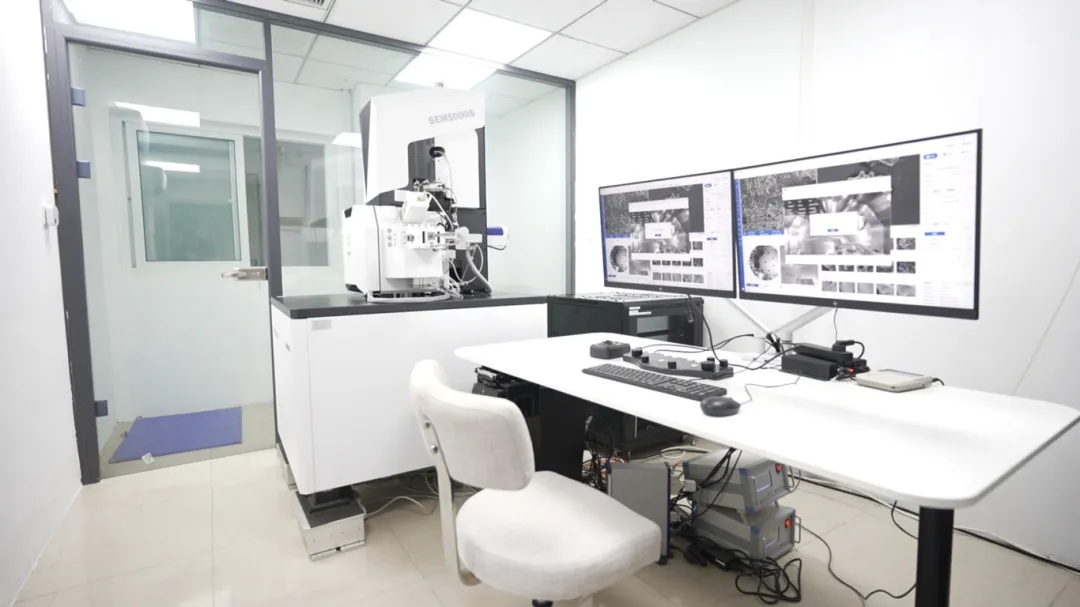
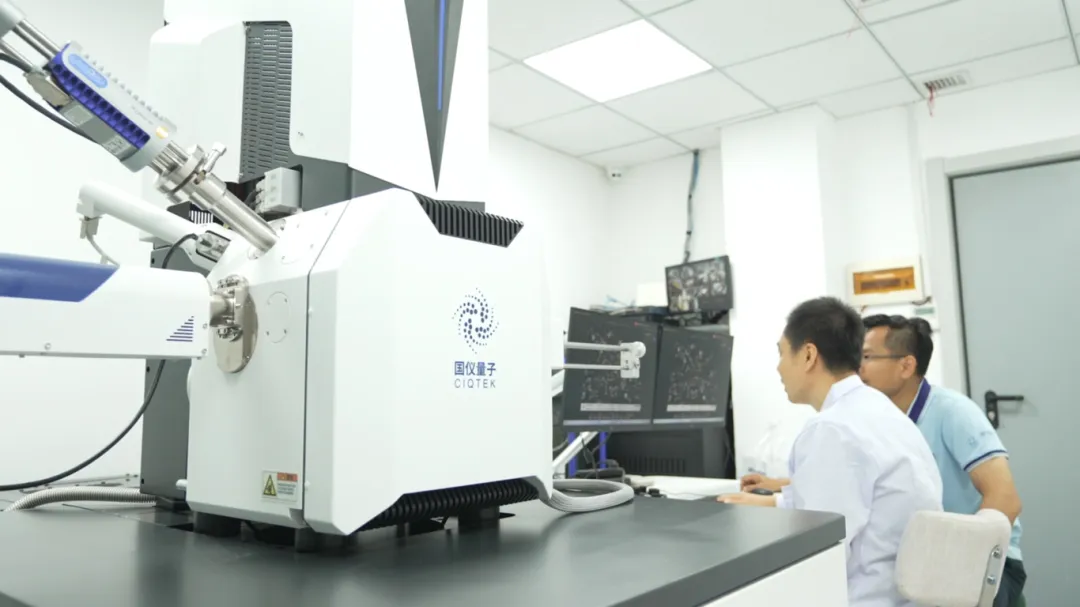
In this research, the team utilized the Tungsten Filament SEM from CIQTEK for in-situ SEM fatigue testing and obtained excellent test results.


Link to the original paper:

https://www.science.org/doi/10.1126/science.adq6807


Recently, the first author of this paper, Professor Bo Chen from Tongji University, was invited to visit CIQTEK and granted an interview with us.


Professor Bo Chen introduces: "Our research group mainly focuses on two aspects, one being imaging with synchrotron X-rays, and the other involving electron microscopy imaging, as with CIQTEK. The work of our entire research group revolves around the nano- and micro-structures of materials, particularly in the three-dimensional nano- and micro-structures of materials. Therefore, our entire research group can be referred to as the materials nano- and micro-structure research group."


Regarding the paper recently published in "Science," Professor Bo Chen stated: "The paper seized upon a phenomenon that hadn't been extensively considered before, which is the fatigue of lithium metal. Previously, everyone believed that it was electrochemical fatigue generated during charging and discharging processes, but in reality, it also exhibits mechanical fatigue during these processes."


"The primary discovery of this research is that lithium exhibits not only electrochemical fatigue during charging and discharging but also mechanical fatigue manifested during these processes, which combined are the main causes of destruction in the lithium metal of solid-state batteries. The paper further suggests that by alloying lithium metal to enhance its physical properties, the lifespan of solid-state batteries can be improved. This is a groundbreaking finding and quite intriguing."


When designing experiments, the team observed both types of fatigue by installing fatigue devices on the electron microscope. Since the research group only had one electron microscope, in order to comprehensively observe, they used an in-situ tensile stage developed by Professor Jixue Li at Hangzhou Yuanwei Technology Company. Professor Bo Chen said, "With the help of Professor Li, we jointly created a fatigue tensile-testing device. The mechanical fatigue experiment of lithium metal was conducted by Professor Li using the electron microscope from CIQTEK for in-situ tensile testing."


When asked about his views on CIQTEK Electron Microscopes, Professor Bo Chen was very candid and sincere: "For us, our only requirement is that the equipment must perform well."


As a research scientist who enjoys hands-on exploration, Professor Bo Chen also shared some personal insights on using CIQTEK instruments. He mentioned that when the instrument offers both quality and cost-effectiveness, it greatly enhances the interest of researchers in tinkering with the machine, reduces the sense of alienation towards expensive instruments, and encourages researchers to utilize the machine more effectively, thereby unleashing more research creativity.


Ending with Professor Bo Chen's words, CIQTEK will continue to stick to the slogan: Successful Customers, Successful Companions!

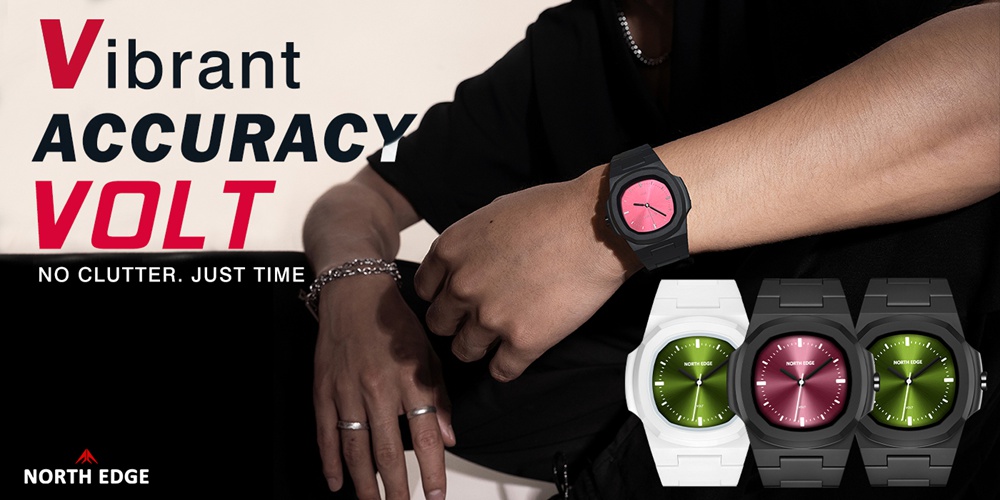
If you love Garmin’s rugged durability but not its premium price tag, meet the DA03 Smartwatch—a feature-packed rival that delivers military-grade toughness at a fraction of the cost.


While Garmin dominates the adventure watch market, the North Edge DA03 matches its resilience with dust-proof, antifreeze, and high-temperature resistance—perfect for hikers, cyclists, and outdoor enthusiasts. With dust-proof, antifreeze, and high-temperature resistance, the DA03 is built for adventurers. Its Bluetooth call quality rivals high level watch, thanks to high-fidelity waterproof speakers—perfect for workouts or rainy days. Health tracking is another standout, with heart rate, blood oxygen, and sleep monitoring comparable to Fitbit. Plus, customizable watch faces let you switch between sporty and sleek looks effortlessly.


If you want Garmin’s toughness and Fitbit’s health tracking—without the premium cost, the DA03 is your best bet. Ready to upgrade? This might just be your next favorite smartwatch.


The North Edge manufactual smart watch, outdoor watch, GPS watch etc, welcome to choose us.

smart watch north edge watch


Choosing the right EPR spectrometer for university labs can significantly impact how your team teaches, researches, and collaborates. Whether you're building a new EPR spectroscopy facility or upgrading an aging setup, one key question often comes first: benchtop EPR or full-size EPR?

Both options offer unique strengths, and your decision should depend on factors such as space, research priorities, budget, and the expected user experience. Across Europe, lab choices are shaping a new generation of academic EPR spectroscopy.


Teaching Labs: Why a Benchtop EPR System is Often the Smarter Choice

For chemistry departments and physics teaching labs, especially those focused on undergraduate or master's-level instruction, a full-size spectrometer can be excessive in terms of size, cost, and complexity. More and more institutions are turning to benchtop EPR systems that prioritize accessibility, affordability, and ease of use.

At the National University of Singapore (NUS), CIQTEK Benchtop EPR spectrometer has been integrated into their teaching and demonstration platform for students in the Department of Chemistry. According to faculty feedback, the system enables students to gain hands-on experience with real electron paramagnetic resonance techniques in a compact, classroom-friendly setup. With its small footprint, intuitive software, and reliable performance, it bridges the gap between theoretical instruction and real-world application.

For labs seeking the best benchtop EPR for university education, CIQTEK’s EPR solution stands out with true X-band performance, minimal maintenance needs, and seamless integration into existing teaching modules.


CIQTEK Benchtop EPR200M Spectrometer at the Universiteit Utrecht, Netherlands 

CIQTEK Benchtop EPR200M Spectrometer at the Universiteit Utrecht, Netherlands


Research Labs: Why Full-Size EPR Still Matters for Advanced Science

For advanced research in quantum materials, molecular magnetism, or X-band pulse EPR, the flexibility and sensitivity of a full-size EPR spectrometer remain crucial. These systems offer broader modulation capabilities, stronger field homogeneity, and support for features like variable temperature EPR spectroscopy.

In 2024, a leading UK materials lab upgraded to a CIQTEK CW EPR spectrometer with integrated VT control, specifically to explore spin dynamics in transition metal complexes. The built-in support for nitrogen and helium cryostats allowed the group to run low-temperature experiments (down to 4 K) without external cooling equipment or extended tuning time.

Meanwhile, a German spin physics group working on magnetic nanoparticles adopted a CIQTEK pulse EPR system. Researchers highlighted its clean echo-detected response and its easy automation, ideal for labs needing repeatable and high-throughput EPR experiments.

If your academic team conducts electron paramagnetic resonance at variable temperatures or uses pulse sequences, a full-size model may be a better long-term investment.

CIQTEK X-band EPR Spectrometer

Budget, Space, and Support: What Often Decides the Winner

For many universities, space constraints and budget ceilings make benchtop models attractive. A compact EPR spectrometer helps reduce installation costs and simplifies user training. But it’s not just about equipment, it’s also about support.

CIQTEK has built a strong reputation across Europe for offering fast-response remote diagnostics, local service teams, and multiple demo centers where customers can test instruments before purchase. A lab in Romania that previously struggled with service delays from another vendor saw a dramatic improvement after switching to a CIQTEK EPR system, citing quick turnaround for both questions and maintenance.


CIQTEK EPR Solutions: Designed for Real University Labs

Whether you're a teaching lab looking for an affordable benchtop EPR system or a research group needing X-band pulse EPR with low-temperature cryogenic options, CIQTEK provides tools designed with academic users in mind:

  • - Benchtop EPR: Desktop-sized, user-friendly, reliable. Ideal for chemistry and biology teaching labs.
  • - CW EPR with VT: Built-in support for cryostats, smooth control from 4 K to 300 K. No extra setup needed.
  • - Pulse EPR systems: High SNR, automated sequences, ready for advanced materials research.
  • If your university is exploring the best EPR spectroscopy equipment for 2025, take a closer look at CIQTEK’s growing presence in labs across the U.S., UK, Germany, France, Romania, Netherlands, and beyond.
  •  
  • CIQTEK EPR Spectrometers
  •  

Learn more or request a live demo at https://www.ciqtekglobal.com


In 2025, wearable technology has evolved into an ecosystem of advanced, compact, and highly capable devices—most notably, smartwatches. These devices have transcended basic fitness tracking to become multifunctional companions that integrate health monitoring, communication, navigation, and contactless payment into a single wrist-worn form.

best timing solutions for ultra-thin smartwatches 

The Era of Multi-functional Smartwatches

Today’s smartwatches are expected to perform a wide range of tasks with precision and speed. Features such as real-time ECG monitoring, sleep tracking powered by machine learning, voice assistants, and seamless smartphone integration have become standard. This rise in functionality places a significant demand on the internal architecture of these devices.


A major engineering challenge lies in balancing functionality with form factor. With consumers demanding thinner, lighter wearables, manufacturers are pressed to miniaturize components without sacrificing performance. The drive for compact, multifunctional modules requires innovation not only in software but also in the foundational hardware.


Power Efficiency and Battery Life

Battery life remains a critical benchmark for user satisfaction. While some models tout multi-day performance, the integration of high-resolution displays and continuous sensor operation often compromises energy consumption. Consequently, every hardware component must be power-optimized.


For instance, Temperature Compensated Crystal Oscillators (TCXOs) have become essential in modern smartwatch design. These oscillators ensure precise frequency control even under fluctuating temperatures—crucial for GPS synchronization, Bluetooth connectivity, and heart rate sensor timing. Their low power consumption directly supports extended battery life without sacrificing signal stability.


Structural Constraints and Compact Design

The demand for a sleeker form factor has pushed the industry toward highly integrated designs. Flexible PCBs, stacked component layouts, and multi-functional chips are now common. As available space shrinks, the role of miniature crystal oscillators becomes increasingly vital. These components must maintain performance integrity while occupying minimal board area.


Products such as the SMD2016 crystal oscillator, which measures 2.0x1.6 mm and is housed in a metal package, are designed for next-generation wearable electronics. Despite their reduced size, they are still able to provide stable frequency performance, which is critical for Bluetooth and sensor timing. The use of non-ceramic materials enhances thermal conductivity and mechanical resilience, ensuring reliable operation in compact, high-density smartwatch layouts.
  miniature SMD oscillators for compact wearable design

Reliability in Continuous Monitoring

Smartwatches now support continuous monitoring of health data, including SpO2, heart variability, and skin temperature. This uninterrupted function demands a consistent and reliable clock source, unaffected by movement or external interference.


Quartz-based frequency components are preferred for their excellent phase noise characteristics and long-term stability. These features are especially important when devices operate 24/7, under both indoor and outdoor conditions. Some wearable designs now incorporate low-jitter VCXOs to support real-time audio signal processing for on-wrist calls and alerts.


The Role of Frequency Components in 2025 Wearables

Wearable tech relies on seamless communication—Bluetooth, Wi-Fi, LTE, and even ultra-wideband (UWB). The foundation for all these wireless technologies lies in stable timing and frequency references. As wireless protocols advance, the importance of precise frequency control grows.


For example, OCXOs (Oven Controlled Crystal Oscillators), although traditionally used in larger equipment, are seeing innovations in micro-packaged variants for advanced wearables used in military or industrial applications. These components guarantee ultra-high stability required for mission-critical communications.


Wearable technology in 2025 is a fusion of compact design, expanded functionality, and extended endurance. To achieve this, designers are increasingly reliant on precision components that balance performance and efficiency. Frequency control elements like TCXOs, VCXOs, and miniature SMD oscillators play a silent but critical role in meeting the technological demands of next-generation wearables. As innovation continues, the sophistication of these tiny components will only become more central to the evolution of wearable devices.If you have more product inquiries, please contact us at ivy@jghcrystal.com


In 2025, selecting the best EPR spectrometer for academic labs isn’t just about specs on paper. It’s about practical performance, usability, and long-term support. Across Europe, from chemistry departments in France to physics labs in Germany, researchers are rethinking their approach to Electron Paramagnetic Resonance (EPR) spectroscopy.

Whether the goal is to teach undergraduates the fundamentals of radical chemistry or to perform advanced X-band pulse EPR experiments in low-temperature environments, today's labs need instruments that are compact, affordable, and research-ready. So, what are Europe’s labs choosing?


1. Benchtop EPR: Making Teaching Labs Smarter and Simpler

Not every lab needs a full-scale floor-standing spectrometer. For teaching and routine experiments, benchtop EPR systems are rapidly becoming the default. Their appeal lies in ease of use, portability, and strong baseline performance.

At the Universiteit Utrecht, for instance, a CIQTEK benchtop EPR spectrometer EPR200M was recently installed. The system is compact enough to fit on a standard bench and comes with intuitive software that new users can operate within an hour. Professors there reported reliable detection of short-lived radicals in lab experiments, without the learning curve typically associated with EPR.

These compact EPR spectrometers strike the perfect balance for chemistry and materials science teaching labs, making high-quality EPR spectroscopy more accessible than ever.

Benchtop EPR spectrometer in chemistry teaching lab – CIQTEK system in use


2. CW EPR with Variable Temperature: A Must for Research Flexibility

For labs focusing on spin dynamics, catalytic mechanisms, or materials, cryogenic measurements are essential. Many researchers in Germany and France are now demanding CW EPR spectrometers with reliable variable temperature (VT) capabilities, preferably with plug-and-play usability.

CIQTEK’s CW EPR system, designed for X-band EPR spectroscopy, includes built-in support for nitrogen and helium-based VT experiments using cryostats. A recent installation at a German materials science institute confirmed its smooth temperature cycling, with stable signals even at temperatures as low as 10 K. The system eliminates the need for complex manual tuning, making it easier for academic groups with rotating users or tight schedules.

If you need low-temperature EPR spectroscopy without needing a cryogenics specialist on your team, this kind of integration makes all the difference.

CIQTEK X-Band CW-EPR Spectrometer

3. Balancing Budget and Ambition: Affordable EPR Spectrometers for Universities

Let’s face it: even the best labs face budget constraints. But cost shouldn’t mean compromise. Universities across the UK, especially those outside of the golden triangle, are actively seeking affordable EPR instruments that deliver serious scientific value.

In one standout case, a France-based spin chemistry group was evaluating options for a pulse EPR system. Traditional vendors quoted high prices and long delivery times. CIQTEK offered a complete Pulse EPR solution with echo-detected and relaxation measurements, along with full software automation, at significantly lower cost.

After on-site testing, the team praised the signal-to-noise ratio, the modern interface, and the rapid support during commissioning. The system is now in daily use, generating data for upcoming publications.


4. Support That Actually Supports You

Instrument specs are important, but for many labs, what happens after delivery is what defines long-term satisfaction. Delays in support or a lack of local expertise are still common pain points.

In 2024, a lab in Romania reported slow response times from their legacy vendor. After switching to a CIQTEK EPR system, the team noted faster communication, efficient remote diagnostics, and access to EU-based demo centers. This helped them reduce downtime during the semester, critical for meeting academic schedules and student training goals.


Why More European Labs Are Switching to CIQTEK EPR Systems

Benchtop EPR: Compact, portable, ideal for teaching and starter labs.

CW EPR with VT: Reliable cryogenic operation for advanced research.

Pulse EPR: High performance at a fraction of the traditional cost.

Responsive Support: Local demos and remote assistance across Europe.

If you're evaluating options for an EPR spectrometer in 2025, especially for European academic labs, CIQTEK offers a powerful combination of innovation, user-friendly design, and cost-efficiency—already trusted by institutions across the UK, Germany, Romania, and beyond.


>> Explore CIQTEK’s full range of EPR systems or contact us to schedule a demo near you.

CIQTEK’s full range of EPR systems