In 2025, selecting the best EPR spectrometer for academic labs isn’t just about specs on paper. It’s about practical performance, usability, and long-term support. Across Europe, from chemistry departments in France to physics labs in Germany, researchers are rethinking their approach to Electron Paramagnetic Resonance (EPR) spectroscopy.

Whether the goal is to teach undergraduates the fundamentals of radical chemistry or to perform advanced X-band pulse EPR experiments in low-temperature environments, today's labs need instruments that are compact, affordable, and research-ready. So, what are Europe’s labs choosing?


1. Benchtop EPR: Making Teaching Labs Smarter and Simpler

Not every lab needs a full-scale floor-standing spectrometer. For teaching and routine experiments, benchtop EPR systems are rapidly becoming the default. Their appeal lies in ease of use, portability, and strong baseline performance.

At the Universiteit Utrecht, for instance, a CIQTEK benchtop EPR spectrometer EPR200M was recently installed. The system is compact enough to fit on a standard bench and comes with intuitive software that new users can operate within an hour. Professors there reported reliable detection of short-lived radicals in lab experiments, without the learning curve typically associated with EPR.

These compact EPR spectrometers strike the perfect balance for chemistry and materials science teaching labs, making high-quality EPR spectroscopy more accessible than ever.
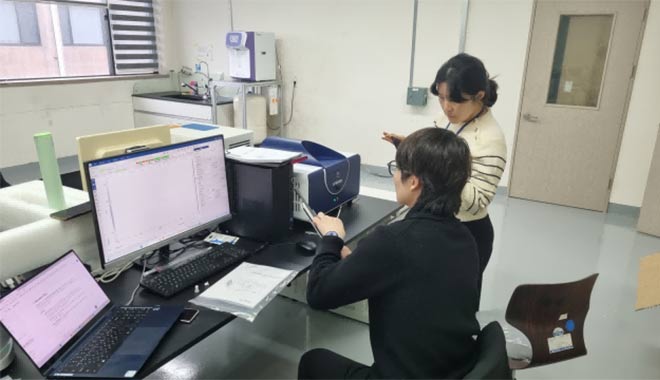
Benchtop EPR spectrometer in chemistry teaching lab – CIQTEK system in use


2. CW EPR with Variable Temperature: A Must for Research Flexibility

For labs focusing on spin dynamics, catalytic mechanisms, or materials, cryogenic measurements are essential. Many researchers in Germany and France are now demanding CW EPR spectrometers with reliable variable temperature (VT) capabilities, preferably with plug-and-play usability.

CIQTEK’s CW EPR system, designed for X-band EPR spectroscopy, includes built-in support for nitrogen and helium-based VT experiments using cryostats. A recent installation at a German materials science institute confirmed its smooth temperature cycling, with stable signals even at temperatures as low as 10 K. The system eliminates the need for complex manual tuning, making it easier for academic groups with rotating users or tight schedules.

If you need low-temperature EPR spectroscopy without needing a cryogenics specialist on your team, this kind of integration makes all the difference.
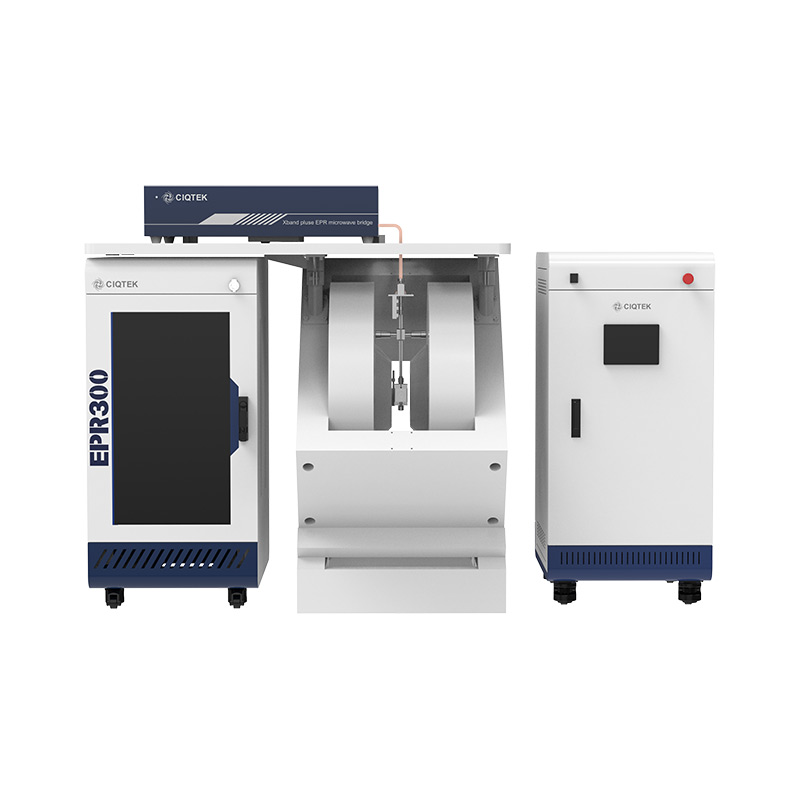
CIQTEK X-Band CW-EPR Spectrometer

3. Balancing Budget and Ambition: Affordable EPR Spectrometers for Universities

Let’s face it: even the best labs face budget constraints. But cost shouldn’t mean compromise. Universities across the UK, especially those outside of the golden triangle, are actively seeking affordable EPR instruments that deliver serious scientific value.

In one standout case, a France-based spin chemistry group was evaluating options for a pulse EPR system. Traditional vendors quoted high prices and long delivery times. CIQTEK offered a complete Pulse EPR solution with echo-detected and relaxation measurements, along with full software automation, at significantly lower cost.

After on-site testing, the team praised the signal-to-noise ratio, the modern interface, and the rapid support during commissioning. The system is now in daily use, generating data for upcoming publications.


4. Support That Actually Supports You

Instrument specs are important, but for many labs, what happens after delivery is what defines long-term satisfaction. Delays in support or a lack of local expertise are still common pain points.

In 2024, a lab in Romania reported slow response times from their legacy vendor. After switching to a CIQTEK EPR system, the team noted faster communication, efficient remote diagnostics, and access to EU-based demo centers. This helped them reduce downtime during the semester, critical for meeting academic schedules and student training goals.


Why More European Labs Are Switching to CIQTEK EPR Systems

Benchtop EPR: Compact, portable, ideal for teaching and starter labs.

CW EPR with VT: Reliable cryogenic operation for advanced research.

Pulse EPR: High performance at a fraction of the traditional cost.

Responsive Support: Local demos and remote assistance across Europe.

If you're evaluating options for an EPR spectrometer in 2025, especially for European academic labs, CIQTEK offers a powerful combination of innovation, user-friendly design, and cost-efficiency—already trusted by institutions across the UK, Germany, Romania, and beyond.


>> Explore CIQTEK’s full range of EPR systems or contact us to schedule a demo near you.
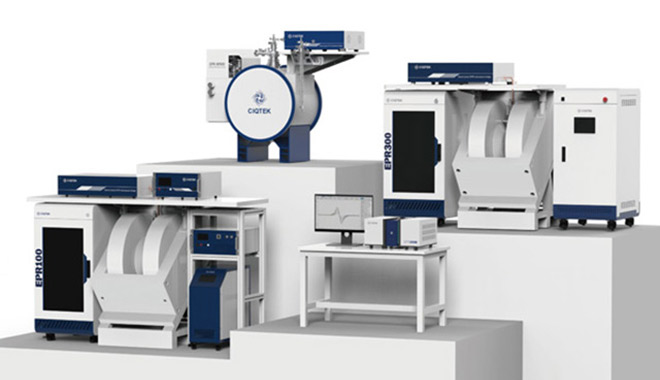
CIQTEK’s full range of EPR systems

CR123A vs AA Batteries in Security Sensors What You Need to Know


Not sure whether to use CR123A or AA batteries in your security sensors? It depends on your systems power demands, space constraints, and expected battery life.


CR123A Batteries Compact Power


Higher voltage (3V) means better performance in wireless motion detectors.


Longer shelf life up to 10 years, perfect for long-term deployments.


Lithium-based chemistry stable even in extreme heat or cold.


AA Batteries Cost-Effective and Accessible


Ideal for low-power keypads and remotes.


Easy to find and replace, but lower energy density.


May require more frequent replacements in wireless sensors.


Which Should You Use?


Use CR123A for critical wireless PIR sensors, glass break detectors, and outdoor modules.


AA may be sufficient for non-critical devices.


Bonus: Ask your supplier if the CR123A batteries they offer are UL or IEC certified for security system use.

Youve invested in top-tier batteries for your security system. But are you storing them correctly?

Storage Mistakes to Avoid

High humidity: Can corrode battery terminals and packaging.

Direct sunlight or heat: Shortens shelf life and increases self-discharge.

Mixing old and new stock: Leads to performance inconsistency in the field.

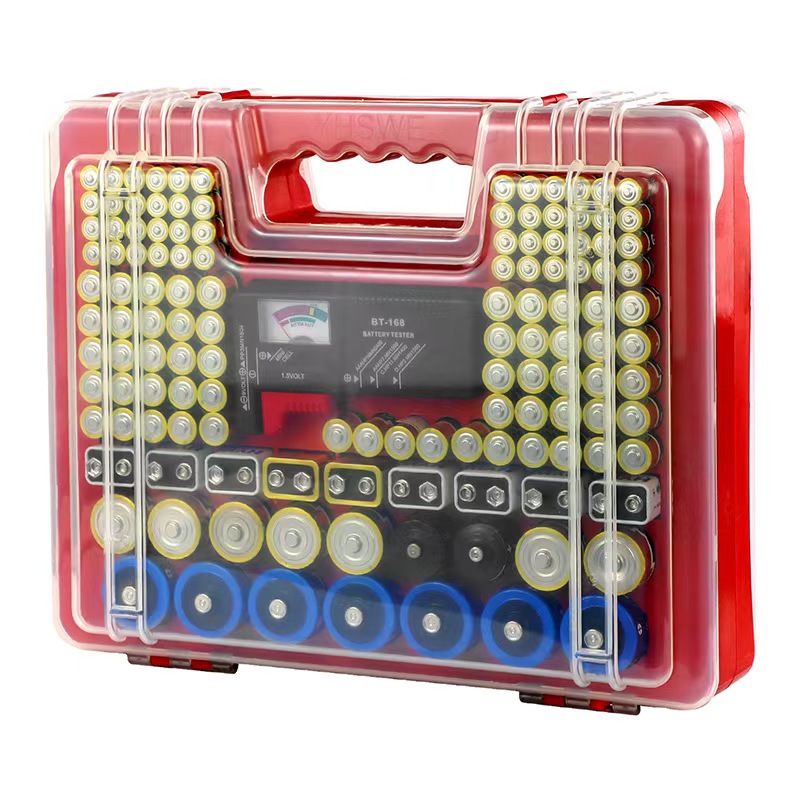
Best Practices for Battery Storage

Keep batteries in cool, dry environments (1525°C).

Store in original packaging to prevent accidental discharge.

Use a first-in, first-out (FIFO) approach to inventory management.

Shelf Life Expectations

CR2032 Batteries & CR123A Batteries: 810 years

Alkaline 9V / AA / AAA: 35 years depending on storage conditions

Good battery storage = reliable system performance when it matters most.

When it comes to security, a $0.10 savings per battery isn't worth the risk. Low-cost, unbranded alkaline batteries often lead to unreliable system performance and even damage to sensitive electronics.

The Risks of Using Cheap Batteries

Shorter lifespan frequent replacement increases maintenance cost.

Voltage inconsistency can trigger false alarms or device shutdown.

Leakage damages circuit boards in control panels or sensor housings.

What to Look For in a Reliable Battery

Stable discharge curve essential for alarm control panels.

Industrial-grade manufacturing tighter quality control.

Recognized certifications CE, UL, REACH, IEC standards.

Recommended Models

AA/AAA batteries for control panels and remotes.

CR123A/9V batteries for wireless detectors and backup circuits.

Invest in batteries that match the reliability of your security system.

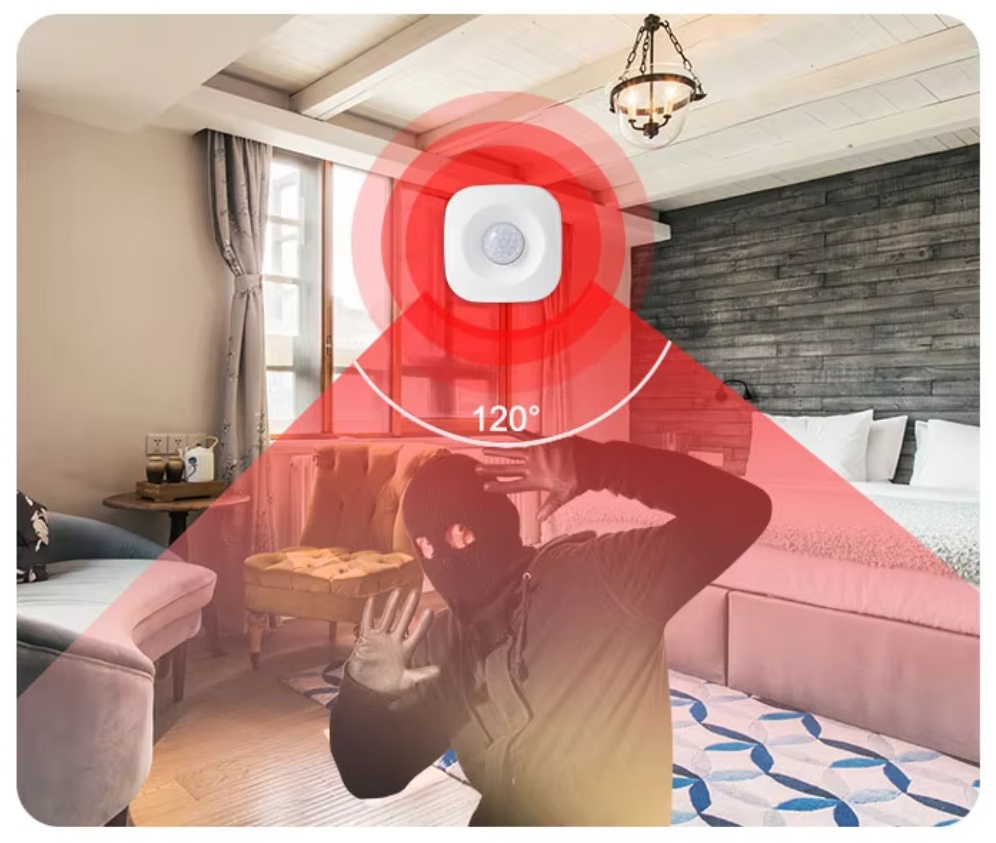
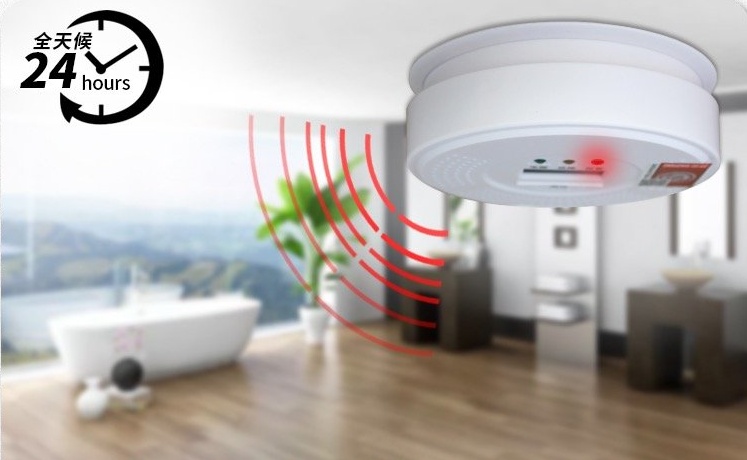
Tired of your smoke alarm beeping in the middle of the night? You're not alone. One of the most common complaints in residential and commercial fire systems is battery failure often caused by poor battery choices or overlooked installation details.

Common Reasons Smoke Detector Batteries Fail

Low-quality batteries: Cheap batteries drain faster, especially in high-sensitivity devices.

Wrong battery type: Using zinc-carbon instead of alkaline 9V batteries can lead to frequent power drops.

Extreme temperatures: Cold storage areas can severely shorten battery life.

Loose connections: Batteries not seated properly can cause intermittent power and false alarms.

How to Fix the Problem

Always use certified alkaline 9V batteries for smoke alarms.

Replace batteries once a year, even if the device isn't beeping.

Choose brands with UL, CE, or ANSI certifications.

For high-demand environments, consider bulk supply from industrial-grade battery manufacturers.

Pro Tip: Mark a recurring calendar reminder to replace smoke detector batteries every 12 months.

For the modern adventurer who refuses to be tethered to a charger, the North Edge Blaze redefines reliability with its groundbreaking solar technology. This isn't just another sports watch - it's an unstoppable companion engineered for those who push boundaries.


Engineered for Endurance
The Blaze stands out with its revolutionary photovoltaic power system that delivers:
1.180-day battery life on a full charge
2.Continuous solar charging from any light source
3.Never needs battery replacements


Built for Action
1. 50m Waterproof - swim, surf, or train without worry
2. Triple Chronograph - track multiple activities with precision
3. Clear Night Display - perfect readability after dark


The North Edge Blaze isn't just a watch - it's a statement that you value innovation, reliability, and sustainability. Whether you're an outdoor enthusiast or simply tired of charging devices, this solar-powered timepiece delivers where others fall short.


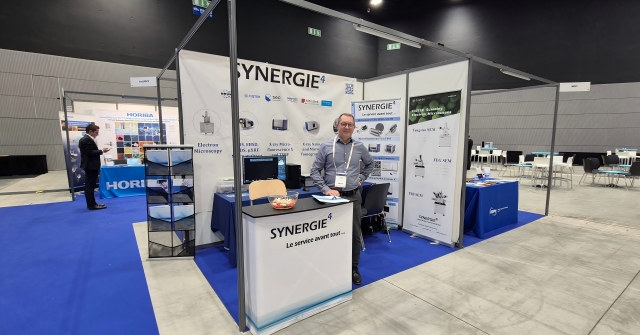
CIQTEK's French agent, Synergie4, is currently showcasing CIQTEK's Tungsten FilamentsField Emission, and Dual-beam Electron Microscope products at the 2025 E-MRS Meeting and Exhibition. The event is taking place in Strasbourg, France, from May 26 to 30, with their booth located at Booth 27.


The E-MRS now boasts a membership of over 4,000 individuals from industry, government, academia, and research laboratories. Their gatherings serve as a platform for discussions on the latest technological advancements in functional materials. Setting themselves apart from many single-discipline professional societies, the E-MRS promotes the exchange of information among scientists, engineers, and research managers on an interdisciplinary level.


This participation at the 2025 E-MRS Meeting and Exhibition not only showcases CIQTEK's Electron Microscope products but also underscores their commitment to staying at the forefront of material science and research advancements.


Synergie4's presence at this prestigious event highlights the collaborative spirit and dedication to excellence that both CIQTEK and its partners embody in their pursuit of advancing materials science and technology.

CIQTEK recently delivered an EPR200M apparatus to the Universiteit Utrecht in the Netherlands. This advanced equipment promises to elevate the esteemed university's research capabilities and enhance its scientific endeavors.


In addition to the equipment delivery, CIQTEK went the extra mile by providing on-site installation and training sessions for the university's team. This comprehensive training encompassed the operation of the instrument at various temperature ranges, including ambient, high, and low temperatures. Such hands-on training ensures that the users are equipped with the knowledge and skills to maximize the potential of the EPR200M effectively.


Universiteit Utrecht expressed appreciation for CIQTEK's dedication to ensuring a smooth transition and optimal equipment utilization. The university's researchers are eager to leverage the capabilities of the EPR200M to explore new frontiers in their respective fields of study, ranging from chemistry to material science and beyond.


This partnership stands as a testament to the mutual pursuit of excellence and progress in the realm of scientific research.

In a world where boundaries blur and rules are rewritten, the North Edge X1 emerges as more than just a watch—it’s a statement. Designed for those who refuse to conform, this rugged yet stylish timepiece blends classic aesthetics with modern functionality, making it the perfect companion for the adventurous and the bold.


Built for Performance, Designed for Attitude


The North Edge X1 stands out with its striking square dial, merging a retro-inspired look with a contemporary, durable build. Lightweight yet shock-resistant, it’s engineered to keep up with an active lifestyle while making a strong style statement. Whether you're hitting the gym, exploring the outdoors, or simply expressing your individuality, the X1 is built to match your energy.


Loaded with Smart Features


Beyond its bold design, the X1 packs serious functionality:

1.Second Time Zone – Keep track of multiple time zones effortlessly.

2.Day Alarm & Snooze Function – Never miss an important moment.

3.Countdown Timer & Stopwatch (1/100 sec precision) – Perfect for training and sports.

4.Full Auto-Calendar & 12/24-Hour Timekeeping – Stay organized with ease.

5.50M Water Resistance – Ready for rain, swims, and splashes.


If you're looking for a reliable sports watch that combines function with distinctive style, the North Edge X1 deserves your attention. It's not about making a statement - it's about having a watch that can handle whatever your day brings.


Now available in three color options, the X1 is ready to become your everyday companion.


outdoor watch X1

In the field of data center high-speed interconnection, the core differences between 400G optical transceivers and 800G optical transceivers lie in the divergence of technical paths and application scenarios.


Transmission rate and modulation technology are the core distinctions: 400G uses NRZ modulation, transmitting in parallel through four 100Gbps channels; 800G upgrades to PAM4 technology, with each channel supporting 200Gbps, achieving 800Gbps via four channels. This improves spectral efficiency but imposes stricter requirements on signal processing.


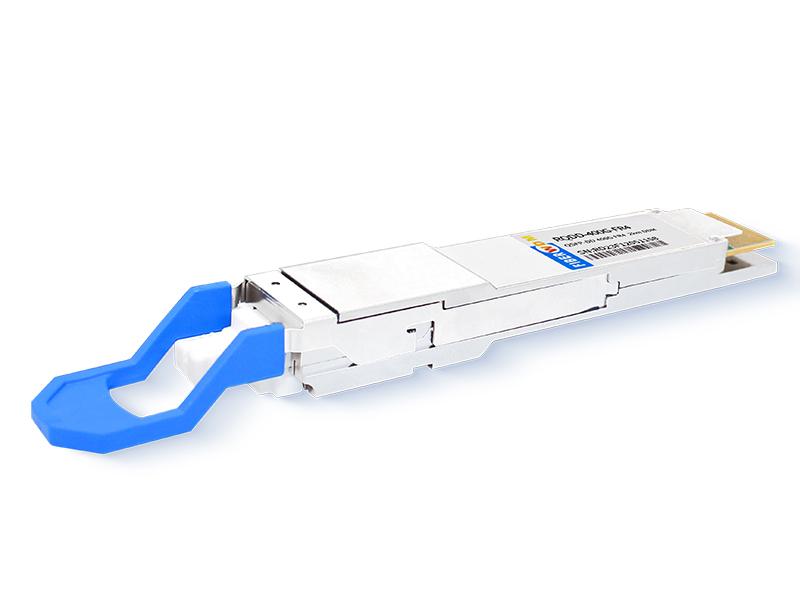
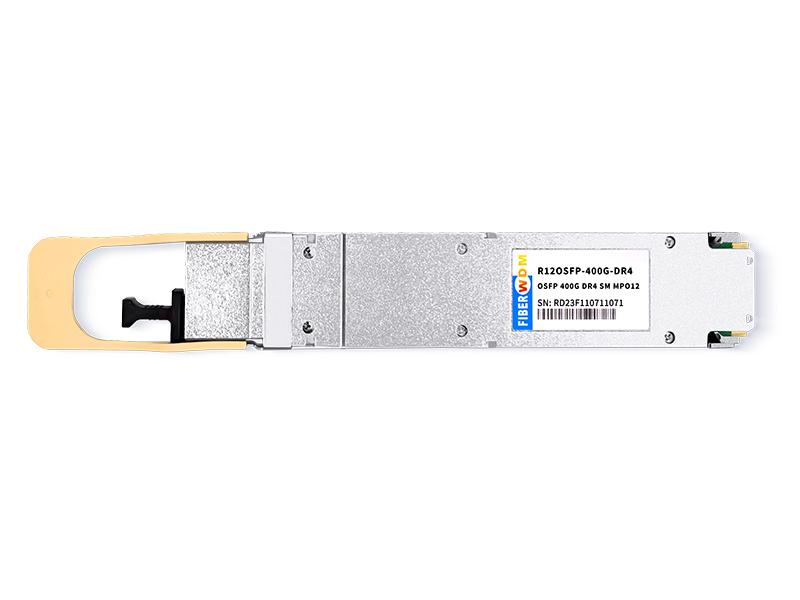
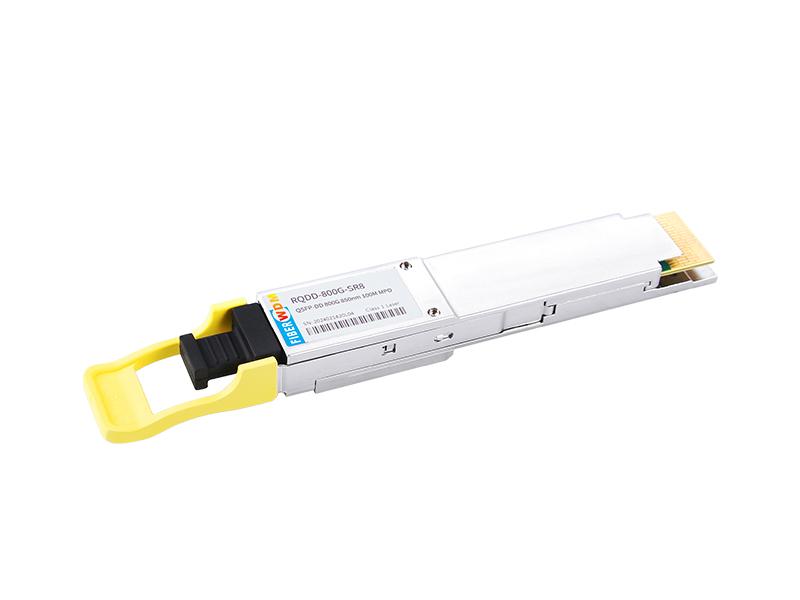
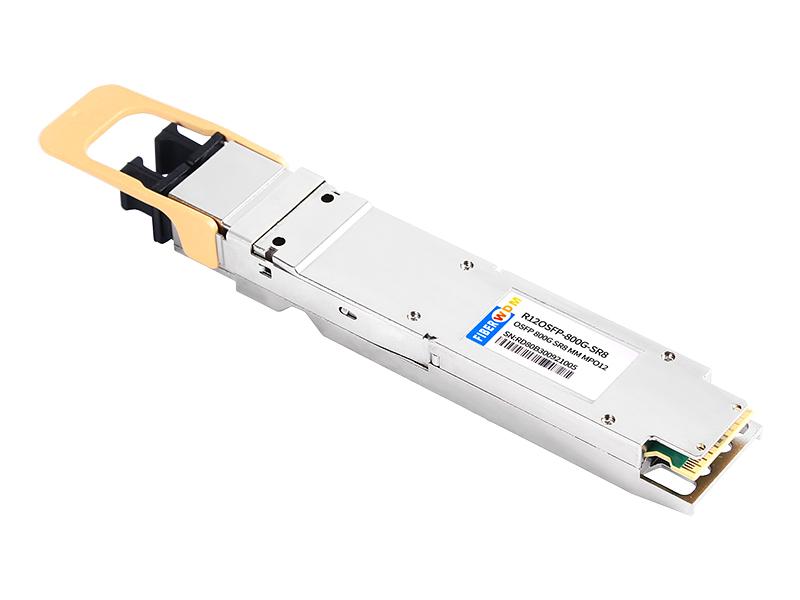
In packaging and wavelength configuration, 400G mainly adopts QSFP-DD/OSFP packages with multimode 850nm or single-mode 1310nm/1550nm wavelengths; 800G integrates four 200G PAM4 channels in the same package via wavelength multiplexing and introduces silicon photonics to enhance integration. While doubling density, this raises demands for thermal management and chips.


For application scenarios, 400G suits medium-scale scenarios like data center leaf-spine interconnection and 5G backhaul (multimode 200m to single-mode 10km); 800G targets high-end scenarios such as core-layer interconnection in hyperscale data centers and AI computing clusters, requiring single-port 800G rate aggregation and long-haul transmission over 40km.


In the industrial ecosystem, 400G continues optimizing niche packaging, while 800G drives the industry toward high integration via innovations like miniaturized coherent modules and co-packaged optics, forming a "high-speed to ultra-high-speed" technical complementarity.


As an innovative enterprise in optical communications, FiberWDM offers a full range of 400G/800G optical transceivers:


  • 400G products cover QSFP-DD/OSFP packages, support 200m-10km transmission, and feature 12W low-power design for data centers and 5G fronthaul, balancing stability and cost.


  • 800G modules leverage PAM4 and silicon photonics, achieving 12-15W power consumption, supporting 40km long-haul and AI cluster short-distance interconnection, and meeting high-density energy efficiency needs.
    All products pass rigorous testing and offer customized solutions to enable efficient data transmission across network architectures.


For customized fiber optic solutions, contact the FiberWDM technical team at: sales@fiberwdm.com