172nm Excimer Lamp Guide for Easy Ultra Matte Finishes
This very short light wave makes tiny surface folds. These small folds form in just milliseconds. The micro-folds scatter light in all directions. This creates ultra-matte finishes easily. Gloss levels drop below 5 at 60°. You do not need physical matting agents. You can stop using silica completely. Your curing line keeps low resin viscosity. It prevents particle settling very well. You get smooth matte coatings without hard work.
How 172nm Excimer Lamps Create Micro-Folding
VUV Surface Polymerization
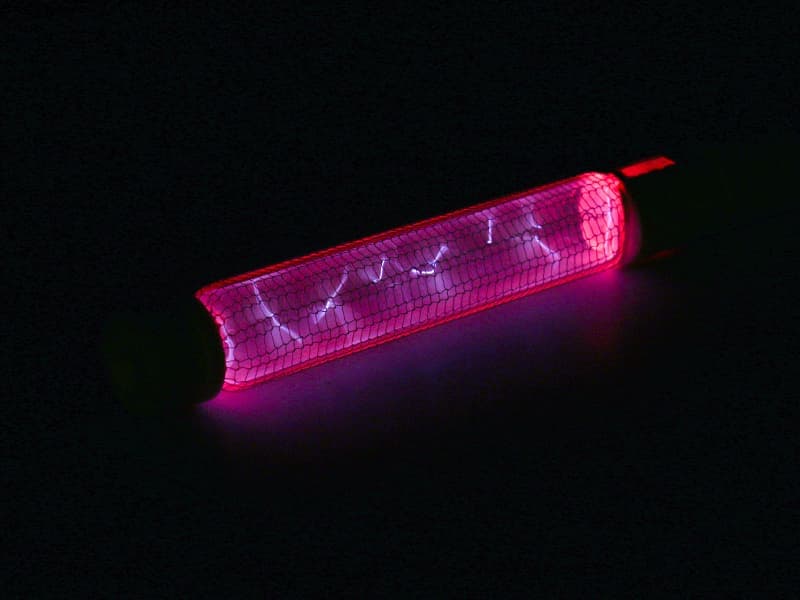
172nm Excimer Lamp light hits top resin. High energy wavelength acts super fast. Liquid molecules take in energy now. Short light waves stay near top. Light crosslinks top 100 to 500 nanometers.
Key Mechanism: Fast surface cure builds solid polymer skin. Soft liquid stays underneath in milliseconds.
Quick curing makes strong surface tension. Shrinking top skin pulls soft liquid. Physical forces form small ridges now.
| Layer Region | Curing State | Material Condition |
| Top Layer (100–500 nm) | Fully Crosslinked | Solid Micro-Folded Skin |
| Sub-Layer | Uncured | Low-Viscosity Liquid |
Tiny folds bounce light away fast. You get quick matting without silica.
Dual-Cure Depth Processing
VUV light alone lacks total strength. Smart setups use two cure steps. Each step handles one clear job:
1.Surface Gelation: Wet panels enter excimer units first. VUV light cures surface skin fast. Folds lock right in place.
2.Depth Polymerization: Panels move under long UV lamps. Standard UV LED uses longer waves.
Long light passes through top folds. Light goes deep into liquid resin. Deep light starts full bottom cure.
This process keeps folds set forever. You get strong grip and matte.
Critical Parameters for Ultra-Matte Gloss Control
Nitrogen Inerting Requirements
You must remove oxygen from the box. Oxygen absorbs light energy very fast. It stops the 172nm Excimer Lamp. Liquid layers cannot turn hard now. Radicals hit oxygen, not wet resin. Oxygen destroys all tiny folds instantly.
You need a sealed nitrogen chamber. Fill it with pure nitrogen gas. Keep oxygen levels below 200 ppm. Lower oxygen builds much finer folds. You get steady low-gloss surface finishes.
Pro Tip: Keep oxygen below 100 ppm. This drops gloss under 2.
| Oxygen Level (ppm) | Surface Reaction | Gloss Result (60°) |
| Above 500 ppm | Oxygen blocks top skin growth | High gloss / Irregular finish |
| 100 – 200 ppm | Controlled reaction builds skin | Matte finish (Gloss 3–5) |
| Below 100 ppm | Fast reaction creates dense folds | Ultra-matte finish (Gloss < 2) |
Viscosity and Line Speed Tuning
Match resin thickness with line speed. Liquid thickness controls tiny surface movement. Thin liquid flows fast, removing ridges. Thick liquid blocks all ridge creation. Keep thickness at 100–300 mPa·s always.
Line speed changes total light energy. High speeds give less light time. Low speeds give more light power. Match line speeds with lamp output.
Faster Line Speed ---> Thinner Top Skin ---> Smaller Micro-Folds ---> Lower Matting Intensity
Slower Line Speed ---> Thicker Top Skin ---> Larger Micro-Folds ---> Higher Matting Intensity
Use these rules to fix line speed:
* Lower liquid thickness to boost fold depth.
* Raise lamp power on fast lines.
* Watch coating heat to keep thickness steady.
Performance Advantages of Excimer Cured Finishes
Silky Skin-Touch Tactile Quality
Change simple surfaces into great items now. Use a 172nm Excimer Lamp light. Small folds make very soft feels. Users enjoy a velvet touch:
*Nice home furniture boards
*New kitchen door panels
*Top car indoor parts
*Soft plastic cover sheets
Old powders make rough tops. Excimer light makes soft folds fast. You get smooth matte surfaces. They stop finger prints easily.
Product Tip: Tiny folds bounce light well. They keep a warm feel.
Superior Scratch and Chemical Resistance
No silica removes big plant problems. Powders settle down in big tanks. Particles make weak spots in resin.
A 172nm Excimer Lamp cures wet resin fast. You build a strong top skin. This dense top blocks harsh drinks. It stops rough shop liquids.
You stop daily scratches too. Solid small folds flex well. They do not break down. Your factory gets strong coats. Surfaces stay matte for long.
Line Integration for a 172nm Excimer Lamp System
Inert Gas Chamber Setup
Build a tight nitrogen box on your line. Air leaks ruin the curing process fast. Place seal knives at both ends. They stop incoming oxygen. Connect internal oxygen sensors now. They track gas purity continuously.
Installation Alert: Put gas diffusers along the floor evenly. Balanced airflow stops surface ripples on wet resin.
Smart chamber designs keep operating costs low. Recirculation units clean and reuse nitrogen efficiently.
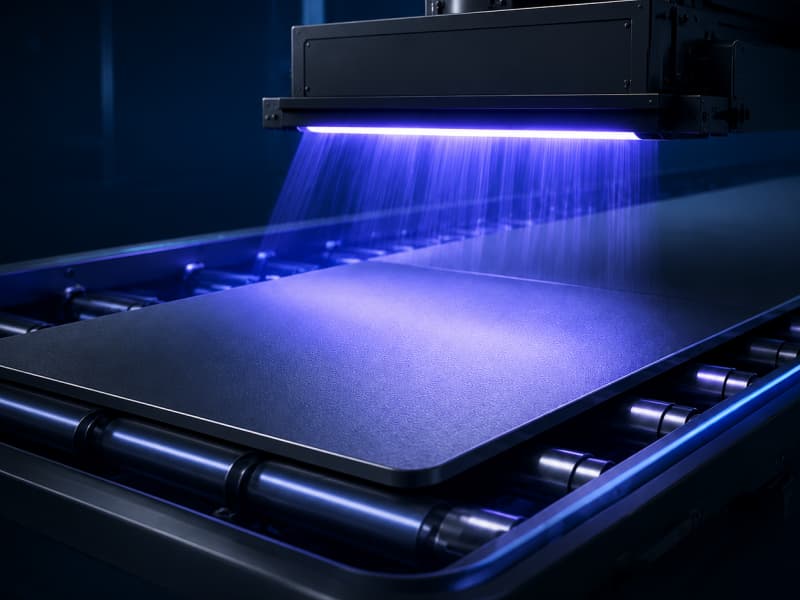
Mount your equipment in two clear steps. Put a 172nm Excimer Lamp after coating application. Fast exposure freezes the wet surface. It forms tiny micro-folds right away.
Coater Station ---> 172nm Excimer Lamp (Surface Gelation) ---> UV LED / Mercury Lamp (Final Cure)
Follow these rules for complete curing:
1.Place excimer units near the liquid coater.
2.Keep a small gap above your boards.
3.Put powerful UV LED lights next.
Long UV waves reach deep liquid layers. This second light cures the bottom resin. Your new matte texture stays safe. You get strong adhesion and great matting quality.
