172nm Excimer UV vs 254nm Traditional UV Curing Systems
You face a key decision between surface micro-folding and bulk crosslinking. Photons from a 172nm excimer lamp target the surface under nitrogen inerting for additive-free matte finishes. Conversely, traditional 254 nm light penetrates deep for polymer curing. GMY delivers innovative industrial uv solutions across both wavelengths. You master modern excimer uv technology with 172 nm systems.
Key Takeaways
-
172nm excimer lamps create smooth matte finishes directly on the surface without using extra chemical powders.
-
Traditional 254nm UV light penetrates deep into coatings to create strong, fully cured polymer layers.
-
Combining both UV systems creates highly durable, scratch-resistant coatings for advanced industrial manufacturing.
Technology Comparison and Photochemistry
The 172nm Excimer Lamp Mechanism
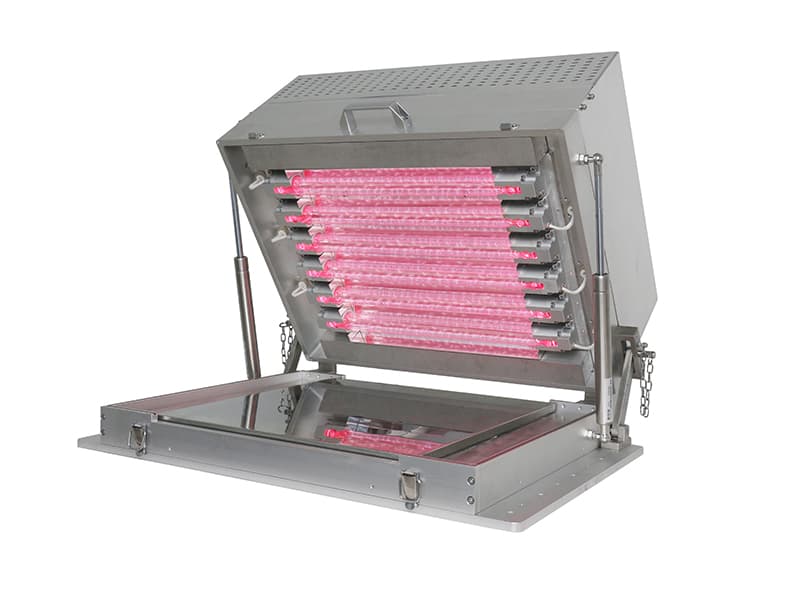
You utilize advanced excimer uv technology to transform modern industrial manufacturing processes. Xe2 noble gas complexes inside a 172nm excimer lamp generate pure quasimonochromatic light without electrodes touching the gas mixture. Traditional medium-pressure mercury arc lamps rely on intense electric discharges through vaporized metal droplets. GMY engineered lamps deliver this specialized light output directly onto your formulation surface with high consistency.
This excimer process requires a fully purged nitrogen environment. Oxygen molecules strongly absorb 172 nm emissions in standard ambient air setups. Enclosing your continuous reaction zone in nitrogen prevents atmospheric oxygen interference during processing. You achieve precise acrylic resin reaction steps while traditional lamp systems run under ambient air during curing cycles. You emit 172 nm photons cleanly across moving polymer webs.
Photonic Energy Metrics for 172 nm Light
High photon energy drives excimer light technology performance on target polymer substrates. The photon energy of 172 nm excimer uv light is 7.2 eV, whereas traditional 254nm uv light has a photon energy of 4.9 eV. Calculating this difference yields a photon energy gap of 2.3 eV between these light sources.
Higher photon values break strong chemical bonds directly on top of your liquid coating. The 172 nm photons interact within a very shallow top layer of your surface finish. Standard 254nm uv radiation penetrates much deeper into the coating layers. You control thin polymer reactions with a 172nm excimer lamp while protecting sensitive underlying substrate materials. This ultra-short wavelength gives your surface treatment superior mechanical properties.
Physical Excimer Matting vs Chemical Additives
Micro-Folding Mechanics on Surface Layers
You create ultra-low gloss levels on liquid resin through physical micro-folding instead of silica particles. A high-energy 172nm excimer lamp delivers intense light directly onto your wet coating layer. The top surface absorbs these powerful light emissions instantly. This localized absorption causes immediate partial crosslinking within a thin surface skin. Physical excimer action forms micro-folds instantly without disrupting the wet coating beneath.
The underlying polymer zone remains completely liquid during this initial light exposure. Shrinkage occurs immediately on the crosslinking top layer. This localized shrinkage forces the curing skin to fold naturally on a microscopic scale. You achieve a uniform matte surface finish across your entire substrate width.
Additive-Free Finishing and Scratch Resistance
You eliminate liquid coating additives like matting powders entirely through advanced excimer technology. Traditional matting powders often weaken the internal structure of your cured coating matrix. In contrast, excimer curing creates fine resin networks directly within the top coating layer. You preserve high surface hardness while gaining a soft-touch matte finish.
This dense micro-folded surface delivers high durability against mechanical wear and aggressive chemicals. The tight surface skin resists deep scratches during daily use. You also improve surface cleanliness and interlayer adhesion before final crosslinking. Dual-stage processing with 172 nm light and secondary uv lamps yields pristine matte results. This 172 nm process optimizes standard uv wavelengths and enhances overall uv performance across the production line. Excimer light provides exceptional quality without compromising film integrity.
254 nm Curing Performance and Integration
Bulk Crosslinking and Deep Polymerization
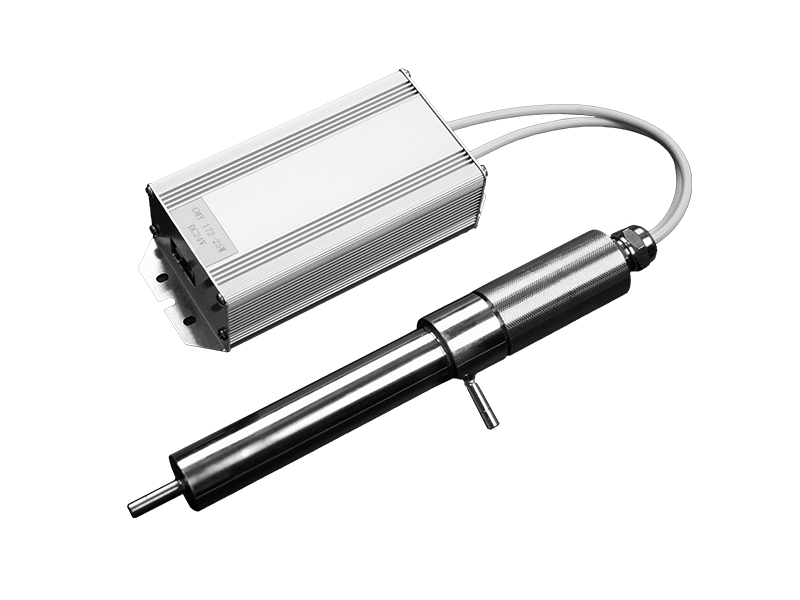
You achieve deep polymerization throughout your entire coating layer using traditional light sources. Penetrating photons pass directly through thick liquid coating resin structures during continuous processing. This deep radiation completes full curing across the entire film thickness. You secure complete structural strength without leaving uncured liquid under the top surface.
The deep penetrating light complements surface micro-folding perfectly. You first create fine surface textures on the liquid layer using specialized short-wavelength units. Then, powerful secondary radiation drives bulk crosslinking through the underlying core layer. This dual-stage curing guarantees high performance across industrial plastic substrates.
Surface Activation and Equipment Costs
You alter surface energy using low-temperature uv irradiation before secondary processing. The energetic light cleans top coating surface contamination effectively. This surface treatment improves surface wetting properties dramatically on PETG, LVT, or PVC manufacturing lines. You enhance coating adhesion significantly prior to printing or bonding steps.
You evaluate equipment investments by reviewing capital expenditure, maintenance, gas consumption, and ROI across line options. Standard non-nitrogen setups keep maintenance low, while specialized nitrogen chambers add operational expenses.
|
Expense & Operational Metric |
172 nm Excimer (Nitrogen UV) |
254 nm UV (Non-Nitrogen UV) |
|---|---|---|
|
Capital Expenditure (CapEx) |
Elevated initial system setup costs and more intricate structural machinery. |
Economical purchasing cost and simple equipment structure. |
|
Operational Expenditure (OpEx) |
Increased maintenance costs alongside recurring expenses for inert gas. |
Low ongoing maintenance expenditures and straightforward servicing. |
|
Nitrogen Consumption |
Mandatory inert nitrogen environment with oxygen levels kept under 300 ppm. |
Zero nitrogen required; operates completely within ambient air. |
You select suitable uv hardware choices for every industrial application. Proper system integration maximizes output while optimizing excimer uv applications.
You combine 172 nm surface texturing and traditional lamps in dual-stage processing lines. A 172nm excimer lamp creates superior micro-folded surface finishes without replacing primary bulk curing hardware. Process engineers leverage modern excimer uv technology to optimize overall film durability, targeted gloss levels, and long-term operational budgets across industrial uv setups.
FAQ
Why do you need nitrogen inerting for a 172nm Excimer Lamp?
Atmospheric oxygen strongly absorbs 172 nm photons. Nitrogen flushing keeps oxygen levels below 300 ppm. This setup allows full surface micro-folding during your coating process.
How do 172 nm lamps differ from 254nm Traditional UV Curing Systems?
High-energy 172 nm light generates micro-folds for physical surface matting. Meanwhile, 254 nm light penetrates deeply to achieve complete bulk crosslinking throughout your polymer layer.
How do you integrate a 172nm Excimer UV Module in your industrial application?
You apply a 172nm Uv Excimer Lamp first for additive-free surface texturing. Then, traditional UV lamps complete deep polymerization, advancing modern excimer uv technology on your line.
