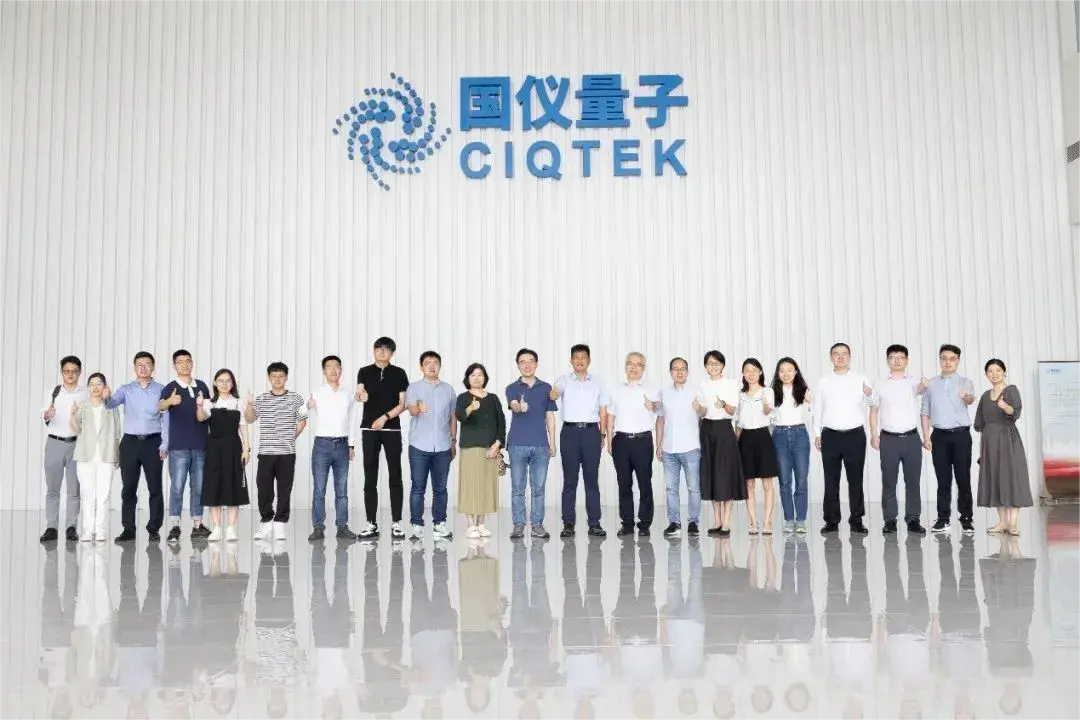
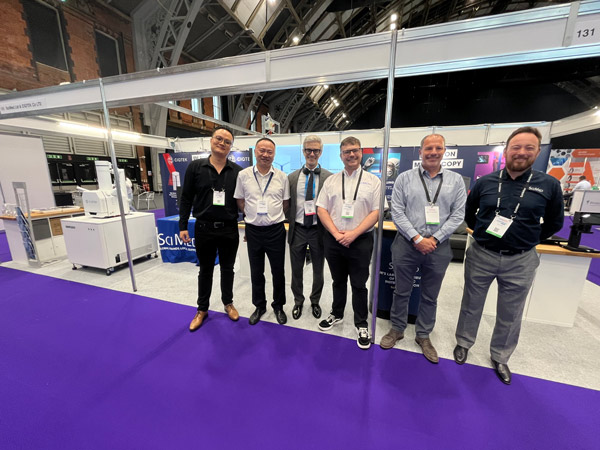
The Microscopy Society of Canada(MSC-SMC) is excited to host the 2025 51st Meeting in Winnipeg! 


MSC hosts a series of talks and workshops within the fields of materialslife science, and AI-driven image analysis, incorporating various microscopy techniques, including Light/Fluorescence Microscopy, Electron Microscopy, OM, X-Ray, and AFM. Come to get advice from an expert in AFM, SEM, LSM, etc...


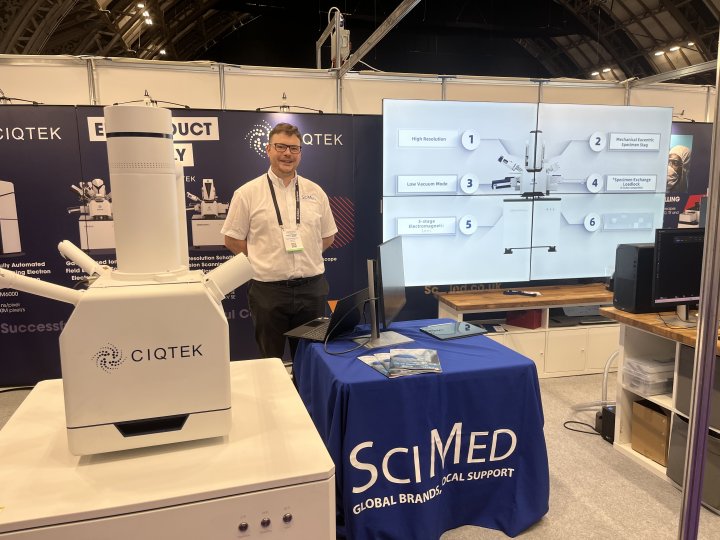
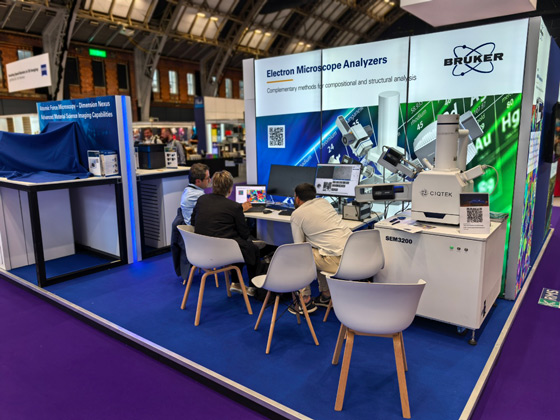
CIQTEK invites conference attendees to visit our booth at the exhibition hall to learn more about Scanning Electron Microscope instruments and solutions. The company's representatives will be available to provide detailed information, answer questions, and explore potential collaborations with researchers, scientists, and industry professionals attending the conference.


Meet us at MSC

Date: June 9 - 12, 2025

Location: University of Manitoba, Canada


Looking Beyond the Price Tag of SEM Equipment

For universities, research centers, and industrial labs in Saudi Arabia, Scanning Electron Microscopes (SEMs) are essential tools. Whether it’s materials science, petrochemicals, nanotechnology, or semiconductor inspection, SEMs provide the high-resolution imaging needed for advanced analysis. However, the actual cost of owning and operating an SEM goes far beyond the initial purchase.

Key cost factors include:

    •  ▪  Equipment acquisition and setup
  •  ▪  Regular maintenance and service contracts
  •  ▪  Replacement of consumables like filaments and vacuum components
  •  ▪  Downtime due to limited technical support or delayed parts
  •  ▪  User training and interface usability for teams with varying experience

In Saudi Arabia, where lab teams often manage mixed workloads with tight budgets, understanding the full cost structure is critical before choosing an SEM brand.


High Cost Doesn’t Always Mean High Performance

Traditionally, many Saudi labs have turned to well-known SEM brands from the US, Europe, or Japan. These systems often deliver excellent image quality but come with high acquisition and operational expenses. Meanwhile, lower-cost alternatives can struggle with image resolution, user experience, or reliability.

This has prompted a shift. More labs in Saudi Arabia are exploring newer SEM providers that combine strong performance with practical pricing and reliable local support.

One example comes from a materials research center. The team needed a field-emission SEM with low-voltage capability and EDS integration for surface analysis. After comparing several suppliers, they selected CIQTEK SEM3200. The decision was based on clear image quality, stable low-kilovolt operation, and a smooth installation experience. The lab noted how quickly their researchers were able to learn the system thanks to the straightforward user interface.

CIQTEK SEM3200 Saudi Arabia


Why Local Support Makes a Big Difference

In Saudi Arabia, reliable technical support and fast response are essential for labs that depend on continuous operation. Many users find that after-sales service and the availability of local training can significantly affect the total value of an SEM system.

CIQTEK has been actively expanding its presence in the Middle East, working with regional partners to deliver faster support and on-site demonstrations. For example, in recent product presentations conducted in Riyadh and Dubai, researchers highlighted the system’s fast start-up time, user-friendly interface, and strong imaging performance under variable vacuum conditions. These sessions provided hands-on experience for engineers and lab staff, helping them understand how the system fits into their real-world workflows.


CIQTEK SEM: Balanced Cost and Performance, Ready for Saudi Labs

CIQTEK has become a preferred choice among several research and industrial users in the Middle East, thanks to key advantages:

  •  ▪  High-resolution imaging with stable performance
  •  ▪  Smart software design for both beginners and advanced users
  •  ▪  Options for modular upgrades, such as EDS or cryo-stages
  •  ▪  Fast delivery and technical response times in the region
  •  ▪  Clear pricing and transparent maintenance structure


For Saudi labs that need to justify their investments based on both capability and sustainability, CIQTEK offers a practical and powerful solution. In 2024 alone, multiple CIQTEK SEMs were delivered to clients in Saudi Arabia and the UAE. Researchers emphasized the smooth onboarding experience, which is especially important for university settings with rotating student users.


Practical Value Comes From What You Can Use

As more Saudi labs plan for SEM upgrades or new installations, it’s becoming clear that value is not only about the specs on paper. It’s about what fits real workflows, local support availability, and long-term maintenance costs.

CIQTEK is helping labs across the region move beyond trade-offs between quality and cost. With systems already in place in Saudi Arabia and nearby markets, the company is proving that powerful imaging and practical ownership can go hand in hand.


To explore a local demo or learn more about CIQTEK's SEM solutions, contact your nearest CIQTEK partner or visit the CIQTEK website

CIQTEK SEM equipment


In the world of outdoor sports, an accurate compass function is essential for watches. It can guide us in the wild and avoid getting lost.

Today, let's compare the compass functions of two popular outdoor sports watches, NORTH EDGE AP46 and Garmin Fenix 7.


The compass of NORTH EDGE AP46 adopts a high-precision digital design, which can accurately display the magnetic declination and provide stable and accurate direction indication, and has an automatic calibration function. For outdoor enthusiasts, the operation is relatively simple. Users can manually calibrate according to the actual environment to ensure that accurate direction information can be obtained in different magnetic field environments. Press the corresponding button to quickly obtain direction information.

In actual outdoor use, the compass of NORTH EDGE AP46, combined with its barometer, altimeter and other functions, can provide users with more comprehensive environmental data to assist in judging weather changes and terrain trends. Moreover, its operation interface is simple and clear, which is convenient and quick to read direction information, and it is easy to get started even in tense outdoor sports scenes.


The compass of Garmin Fenix7 is powerful and accurate. It uses advanced three-axis electronic compass technology to determine the direction without horizontal shaking. In addition, the compass of the watch can be deeply integrated with the GPS system to mark the route and location on the map in real time, which is very useful for outdoor sports enthusiasts who explore complex terrain. In addition, Fenix 7 also has a variety of navigation modes, such as waypoint navigation, route navigation, etc., and users can switch flexibly according to different needs.


Garmin Fenix 7 is better in integration with GPS and diversity of navigation modes, suitable for outdoor sports enthusiasts who want a comprehensive navigation experience; NORTH EDGE AP46 wins with high-precision magnetic sensors and customizable calibration functions, and is more popular with users who focus on basic function accuracy and personalized settings.


rugged outdoor watches     tactical watch with compass


A Scanning Electron Microscope (SEM) is a powerful microscope that uses a high-energy electron beam to scan the surface of a specimen, capturing signals emitted or scattered by electrons to generate high-resolution images of the specimen surface. SEM can magnify images by thousands to tens of thousands of times, revealing a microscopic world that is imperceptible to the naked eye.


Under the CIQTEK Scanning Electron Microscope, we can observe the fine textile structure of lizard skin cells, which allows for a visual examination of the structural characteristics of crystalline plates in the skin, such as their size, length, and arrangement. These images not only provide a visual feast but also offer crucial clues for scientists to interpret material properties, disease mechanisms, and biological tissue functions.


Figures1. Ultrastructure of lizard skin/30 kV/STEM

In the field of electron science, SEM helps engineers examine tiny solder joints and conductors on circuit boards in detail to ensure the precision and reliability of technology. In materials science, SEM can be used to analyze fracture surfaces of metal alloys, optimizing industrial design and processing technology. In biological applications, SEM can display the surface structure of bacteria and even observe interactions between viruses and host cells.


Figures2SEM3200/Ordinary chip2/10 kV/ETD

SEM is not just a machine; it is more like a meticulous detective that helps us uncover the microscopic secrets in nature and man-made objects, providing strong support for scientific research and technological innovation. Through SEM, scientists can better understand the nature of materials, the structure of biological tissues, and the essence of various complex phenomena, pushing the boundaries of our knowledge forward.


Common Misconceptions about SEM:


1. Are SEM images in true colors?


SEM produces black and white images because they result from the interaction of electrons with the specimen, not from light waves. The colored SEM images typically seen are post-processed using digital coloring techniques to distinguish different structures or enhance visual effects.


2. Is higher magnification always better?


While SEM can provide extremely high magnification, not all research requires maximum magnification. Excessive magnification beyond the specimen's feature scale not only increases scanning time but may also lead to an increase in irrelevant information.


3. Can SEM see atoms?


Although SEM offers high resolution, it often cannot reach the level of observing individual atoms. To observe structures at the atomic scale, transmission electron microscopes (TEM) or scanning tunneling microscopes (STM) are typically needed.


4. Is SEM only suitable for solid and lifeless specimens?


While SEM was initially designed for solid materials, modern techniques allow observation of biological specimens as well. Through specific specimen treatments such as freezing, drying, or coating with conductive materials, SEM can also be used to observe biological tissues and cells.


5. Can SEM images fully represent the actual conditions of a specimen?


SEM images are two-dimensional projections obtained from specific angles and parameters, which may not fully reveal the three-dimensional structure and true conditions of the specimen. Additionally, the specimen preparation process may cause deformations or artifacts that can affect the accuracy of the results.


Operating a Scanning Electron Microscope (SEM) in Saudi Arabia’s arid, dust‑laden environment calls for focused upkeep. From airborne sand infiltrating your chamber to extreme temperature swings stressing components, disciplined maintenance ensures clear images and steady uptime. Below are four actionable strategies—free of fabricated case stories—to help you fortify your SEM instrument against desert challenges, while highlighting how CIQTEK’s design and regional support can simplify each step.


1. Dust Filters & Heating, Ventilation and Air Conditioning (HVAC) Control

Keep sand before it reaches your SEM’s breathing zones.

  • Multi‑stage air filtration: Fit your lab’s HVAC intake with a pre‑filter rated at Minimum Efficiency Reporting Value (MERV) 8, followed by a MERV 13 final filter. Change the pre‑filter monthly during sandstorm season to protect your SEM’s compressor and electronics cabinet.

  • Temperature stability: House your SEM in a climate‑controlled enclosure. Maintaining ±2 °C variation prevents thermal drift during long image acquisitions. CIQTEK SEM instruments are built to integrate seamlessly with portable clean‑air enclosures, simplifying installation.


2. Vacuum System: Routine Service Essentials

A reliable vacuum underpins every high‑resolution image.

  • Oil‑ring pump maintenance: Replace your rotary vane pump oil every 500 hours—or sooner if the oil appears cloudy. CIQTEK recommends its high‑purity vacuum oil, which helps resist contamination in dusty regions and extends service intervals.

  • Leak checks: Conduct a quarterly helium‑sniffer test around all seals. Even minor leaks at O‑rings can elevate chamber pressure and degrade resolution. CIQTEK SEM microscope’s modular door‑seal kits allow tool‑free seal changes in under ten minutes.


3. Rapid Troubleshooting: Keeping Your Workflow Flowing

Fast fixes for common hiccups keep projects on schedule.

  • Beam drift: If your electron beam drifts off‑center, verify stage‑to‑column alignment and tighten any loose stage clamps. Then launch your SEM’s auto‑align routine. CIQTEK’s SyncBeam™ software retargets your region of interest (ROI) in under two minutes.

  • Charging artifacts: Unexpected image brightening or streaks on non‑conductive samples often indicate contamination on the flood gun filament. A controlled bake‑out at 150 °C for two hours typically clears carbon buildup—no replacement parts needed.


4. CIQTEK Local After‑Sales Support Process

Expert backup when and where you need it most.

Distributor hotline: Submit parts or service requests through CIQTEK’s authorized Saudi agent—expect same-day acknowledgment and prompt dispatch of parts.

Preventative maintenance visits: Schedule biannual on-site service to inspect pumps, filters, and alignments, and recalibrate detectors.

Remote assistance: For urgent diagnostics, leverage CIQTEK’s remote access capability to collaborate with a field application specialist at our regional support center in real time.


By enforcing robust filtration, disciplined vacuum care, a clear troubleshooting protocol, and plugging into CIQTEK’s Saudi‑based support network, your SEM machine will stay in peak condition, no matter how fierce the desert elements. Ready to strengthen your lab’s imaging reliability? Reach out to CIQTEK today.

ciqtek sem microscopes

China’s May Day holiday, from May 1st to 5th, offers a prime chance for relaxation and exploration.
Many flock to domestic treasures like the Great Wall or international destinations for cultural immersion, while others enjoy local picnics and shopping sprees during seasonal sales. Fitness - lovers seize the opportunity for outdoor activities such as hiking and cycling.


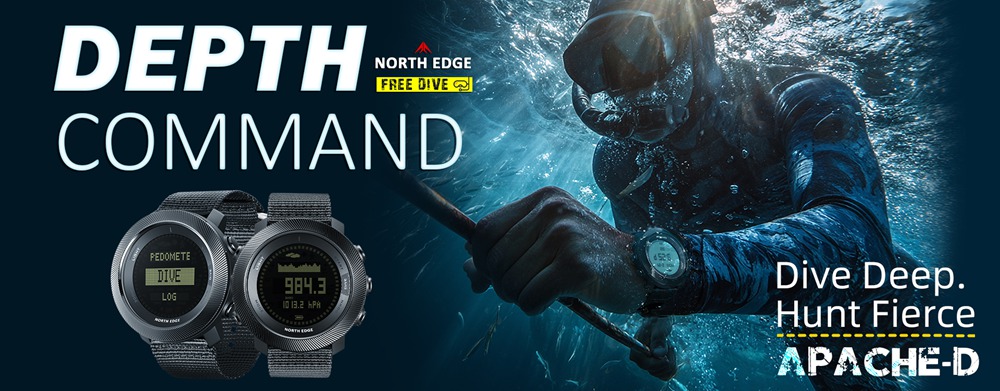
Amidst these diverse plans, the North Edge Watch stands out as an essential accessory. Its robust build endures travel challenges, and the built - in GPS and compass guide adventurers through unfamiliar areas. For fitness enthusiasts, it accurately tracks steps, distance, calories, and heart rate. The watch’s water - resistant feature and long - lasting battery ensure worry - free use throughout the day.


Stylish yet functional, the North Edge Watch complements any outfit, whether casual for daytime exploration or formal for evening outings. This May Day, let the North Edge Watch be your reliable partner, enhancing every moment of your holiday escapades.

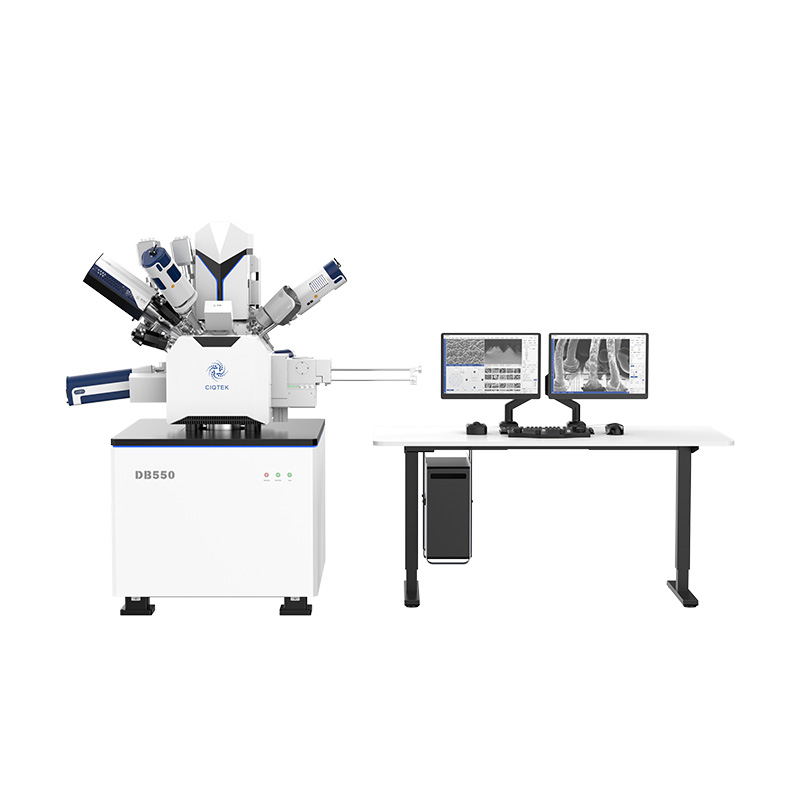
Choosing a DualBeam FIB-SEM is a pivotal decision for any microscopy lab—especially in Saudi Arabia’s booming research and petrochemical sectors. Before committing budget and bench space, ask yourself these five questions to ensure your system delivers the performance, reliability, and local support you need.


1. How Do Ion-Beam Current and Spot Size Impact Your Application?

High-current beams mill faster but sacrifice resolution; low-current beams deliver nanoscale precision at the expense of throughput. Ask the vendor for beam-current vs. spot-size curves to see where their instrument excels.

  • Why it matters in Saudi labs: In petrochemical catalyst research, rapid trenching for EDS or TEM lamella prep is vital—yet you still need <10 nm trenches to inspect nanoporous structures.

  • CIQTEK Advantage: CIQTEK’s DualBeam offers selectable beam currents from 1 pA to 20 nA with spot sizes down to 3 nm. With the click of a button, you can toggle between “fast-mill” and “fine-polish” modes.


2. What’s the Synergy Between SEM Imaging and Ion Milling?

True DualBeam performance lies in seamless coordination of electron and ion columns. Look for:

  • Auto-alignment routines that correct drift between cuts.

  • Live-drift compensation so you’re always imaging the right feature.

  • Integrated stage tilting to switch between cross-sectioning and plan-view without manual refixturing.
    Real-world wins: In a recent demonstration at a major Riyadh materials center, users cut and imaged solder joints in under 10 minutes—half the time of their legacy tool.

  • CIQTEK Advantage: Proprietary “SyncBeam” software synchronizes both columns in real time, yielding crisp, shadow-free cross-sections even on rough, uneven samples.


3. Does the Software Play Nice with Your Workflow?

Look beyond simple GUIs. Modern labs crave:

  • Scriptable APIs for automated runs.

  • Recipe libraries for repeatable tasks (e.g., trench → polish → lift-out).

  • Remote monitoring so you can queue overnight jobs and check progress from your office or home.
    Why Saudi facilities love it: With labs spread across King Abdullah University and industry sites, remote access is a game-changer.

  • CIQTEK Advantage: Their Python-based SDK lets you draft custom milling routines in minutes, while the cloud dashboard pushes live status updates to any web-connected device.

  •  

4. What Level of Training and Technical Support Comes with Your Purchase?

A cutting-edge instrument is only as good as the team that runs it. Key questions:

  • Will a factory engineer be on-site for installation?

  • Is there a local parts inventory in the GCC for rapid spares delivery?

  • What’s the SLA for service calls—4 hours? 24 hours?
    Local feedback: Customers in Dubai praised CIQTEK’s Middle East service hub for dispatching a replacement detector within 48 hours—no shipping hold-ups.

  • CIQTEK Advantage: Through the trusted Saudi distributor, CIQTEK coordinates rapid service support and parts delivery in the Kingdom, and offers cost-effective system packages that rival higher-priced alternatives—without cutting corners on performance or reliability. They also help organize quarterly user workshops (both virtual and in-person) to keep your team at peak performance.

CIQTEK SEM in Saudi Arabia


5. Do You Have Proven Local References and Application Success Stories?

Nothing beats peer feedback. Before buying, ask for:

  • On-site visits to existing installations in the Kingdom.

  • Case studies in your field—semiconductors, metallurgy, battery materials, etc.

  • User testimonials you can verify.


  • CIQTEK in the GCC: According to the Saudi distributor’s feedback, several petrochemical, battery-materials and university labs in the Kingdom have evaluated CIQTEK DualBeam systems this past year—many noting boosts in throughput and nanometer-scale resolution. The regional applications partner also arranges hands-on demo days at KAUST and KFUPM so you can test your samples before committing.


Investing in a DualBeam FIB-SEM is about more than peak resolution or blazing-fast milling; it’s about finding a partner whose technology, software, and support mesh with your lab’s unique needs. By drilling down into beam specs, software flexibility, service SLAs and local success stories—especially right here in Saudi Arabia—you’ll make a confident, future-proof choice.


With its ultra-fine spot sizes, real-time SEM/Ion synchronization, open API, and 48-hour onsite support in the GCC, CIQTEK’s DualBeam FIB-SEM checks every box—empowering your team to tackle today’s toughest materials challenges and tomorrow’s breakthroughs.


ciqtek FIBSEM

What are the different type of touch screen ?


A touch screen has the ability to detect a touch within the given display area. It is made up of 3 basic elements, a sensor, a controller and a software driver.

All the variants of touch screen technology carry their own distinctive characteristics, with individual benefits and limitations.

Resistive Touchscreen


Resistive touch screen can be divided into 4, 5,6, 7 or 8-wired models, which differentiate between the coordinates of touch. As one of the most commonly used, resistive touch screen relies on a touch overlay, constructed by a flexible top layer and rigid bottom layer, divided by insulating spacer dots. The inside surface is coated with a transparent material (ITO) that makes electrical contact when pressure is applied. These voltages are then converted to X and Y coordinates, which are sent to the controller. Whilst resistive screens are durable and easy to integrate, they can only offer 75% clarity.

Capacitive Touchscreen


Commonly utilised for industrial purposes, capacitive touch screens consist of a glass overlay, coated with a conductive material such as Indium Tin Oxide. Contact with a capacitive screen creates an electrostatic charge that sends information to the touch control in order to perform its function. This type of touch screen has very good clarity and durability, except they can only respond to the touch of a finger or special gloves unless it is capacitive charged.

SAW (Surface Acoustic Wave) Touch Screen


SAW touch screen technology is based upon two transducers and a reflector placed on the glass surface. The waves are dispersed across the screen by bouncing off the reflector arrangement and received by the transducers. The touch is detected when the waves are absorbed. In comparison with the other touch screens; SAW provides superior clarity, resolution and durability, with the ability to interact with a stylus or gloves.

Infrared Touchscreen


Unlike the other types, infrared touch screen technology does not incorporate an overlay. Instead, a frame surrounding the display consists of LEDs on one side and phototransistor detectors on the other. The phototransistors detect an absence of light and relay a signal that determines the coordinates. The touch is identified and located at the point of interruption of the LED beams. Commonly used in outdoor locations, infra red touch screens are durable and can detect any input.

Optical Imaging Touchscreen


Using optical sensors to recognise the touch, this touch screen technology is popular for its versatility and scalability. Optical imaging relies on infrared lights. Two infrared imaging sensors are positioned at the top, which double up as emitters and retro reflective tapes at the three sides. The emitted lights are reflected back to the imaging sensors, which become blocked at the point of touch and create a shadow to locate the touch.

Acoustic Pulse Recognition Touchscreen


An APR touch screen is made up a glass overlay and four transducers attached to the back exterior. When the screen is touched, the friction creates acoustic waves. The transducers detect the acoustic wave, which is then converted into a signal. tslcd APR touch screens are water resistant, durable and scalable.


When embarking on the journey to select the perfect outdoor tactical sport watch, several crucial factors should guide your decision - making process.

First and foremost, durability is non - negotiable. Military watches are designed to endure harsh environments, so prioritize models constructed from robust materials such as stainless steel or high - grade polymers. A watch with excellent water resistance, preferably at least 50 meters, ensures it can withstand rain, splashes, and even brief submersion, making it suitable for various missions and outdoor activities. Shock resistance is another vital aspect, as it safeguards the watch's internal mechanisms from damage caused by impacts.

Legibility is also key. In low - light or chaotic situations, a watch with a clear and easy - to - read dial can be a lifesaver. Look for large, bold numerals and hands, along with luminous markers that provide visibility in the dark without requiring additional light sources.

Functionality is where military watches truly shine. Features like a built - in compass offer reliable navigation when electronic devices may fail. GPS - enabled watches provide precise location tracking, while a long - lasting battery ensures continuous operation over extended periods. Consider additional functions such as stopwatches, countdown timers, and altimeters based on your specific needs.

Finally, don't forget to choose a style that resonates with you. Whether you prefer a classic, minimalist look or a more tactical, feature - rich design, there's a military watch out there that combines your desired aesthetic with the necessary performance. And of course, stay mindful of your budget to find the best value for your investment.

  • outdoor tactical sport watch
  • rugged outdoor watches
  • gps military watch


--------------------------


Professor Yan Yu's team at USTC utilized the CIQTEK Scanning Electron Microscope SEM3200 to study the post-cycling morphology. It developed amorphous carbon with controllable defects as a candidate material for an artificial interface layer balancing potassiophilicity and catalytic activity.


The research team prepared a series of carbon materials with different degrees of defects (designated as SC-X, where X represents the carbonization temperature) by regulating the carbonization temperature. The study found that SC-800 with excessive defects caused substantial electrolyte decomposition, resulting in an uneven SEI film and shortened cycle life. SC-2300, with the fewest defects, had insufficient affinity for potassium and easily induced potassium dendritic growth. SC-1600, which possessed a locally ordered carbon layer, exhibited an optimized defect structure, achieving the best balance between potassiophilicity and catalytic activity. It could regulate the electrolyte decomposition and form a dense and uniform SEI film.


The experimental results demonstrated that SC-1600@K exhibited long-term cycle stability for up to 2000 hours under a current density of 0.5 mA cm-2 and a capacity of 0.5 mAh cm-2. Even under higher current density (1 mA cm-2) and capacity (1 mAh cm-2), it maintained excellent electrochemical performance with stable cycles exceeding 1300 hours. In full-cell testing, when paired with a PTCDA positive electrode, it maintained 78% capacity retention after 1500 cycles at a current density of 1 A/g, demonstrating outstanding cycle stability.


This research, titled "Balancing Potassiophilicity and Catalytic Activity of Artificial Interface Layer for Dendrite-Free Sodium/Potassium Metal Batteries," was published in Advanced Materials.

Figure 1: The microstructure analysis results of carbon samples (SC-800, SC-1600, and SC-2300) prepared at different carbonization temperatures are presented. Through techniques such as X-ray diffraction (XRD), Raman spectroscopy, X-ray photoelectron spectroscopy (XPS), and wide-angle X-ray scattering (WAXS), the crystal structure, defect level, and oxygen and nitrogen doping of these samples were analyzed. The results showed that as the carbonization temperature increased, the defects in the carbon materials gradually decreased, and the crystal structure became more orderly.


Figure 2: The current density distribution during potassium metal growth on different composite negative electrodes was analyzed using finite element simulation. The simulation results showed that the SC-1600@K composite electrode exhibited a uniform current distribution during potassium deposition, which helped suppress dendritic growth effectively. Additionally, the Young's modulus of the SEI layer was measured using atomic force microscopy (AFM), and the results showed that the SEI layer on the SC-1600@K electrode had a higher modulus, indicating its stronger firmness and inhibition of dendritic formation.


Figure 3: The electrochemical performance of different composite electrodes (SC-800@K, SC-1600@K, and SC-2300@K) in symmetrical cells is presented. The SC-1600@K electrode exhibited excellent cycle stability and low overpotential at different current densities and capacities. Furthermore, electrochemical impedance spectroscopy (EIS) and Sand's time testing further confirmed the advantages of the SC-1600@K electrode in suppressing dendritic growth and maintaining SEI layer stability.


Figure 4: The structure and composition of the SEI layer on different composite negative electrodes were analyzed using cryogenic transmission electron microscopy (Cryo-TEM) and time-of-flight secondary ion mass spectrometry (ToF-SIMS). The results showed that the SC-1600@K electrode had a uniform, thin, and inorganic-rich SEI layer, facilitating fast potassium ion transport kinetics and high Young's modulus. The SEI layers on the SC-800@K and SC-2300@K electrodes exhibited thicker and organic-rich characteristics.


Figure 5: The effects of defect configuration in the carbon layer on potassium ion deposition and SEI formation were explored using density functional theory (DFT) calculations. The results showed that an appropriate amount of defects could enhance the interaction between potassium ions and the carbon layer, reducing the nucleation overpotential, while excessive defects could lead to excessive electrolyte decomposition.


Figure 6: The electrochemical performance of a full cell (PTCDA//SC-1600@K) assembled using the SC-1600@K electrode is presented. This cell exhibited excellent rate performance and long-term cycle stability at different current densities, demonstrating the potential of the SC-1600@K electrode in practical battery applications.


In conclusion, the research team successfully designed and prepared a carbon material (SC-1600) with a locally ordered structure, serving as an artificial interface layer for sodium/potassium metal battery negative electrodes. By precisely controlling the defect content of the material, the team achieved the optimal balance between potassiophilicity and catalytic activity, significantly improving the uniform deposition of potassium ions and promoting the formation of a stable SEI layer. In a potassium symmetrical cell based on SC-1600 in a carbonate electrolyte system, SC-1600@K exhibited excellent cycle stability with a cycle life exceeding 2000 hours. Notably, a full cell assembled with the SC-1600@K negative electrode and PTCDA positive electrode maintained 78% capacity retention after 1500 cycles at a high current density of 1 A/g. This research not only established a model system for optimizing the SEI structure and potassium ion adsorption by controlling the interfacial layer defects but also provided important theoretical guidance and a technological pathway for the rational design of protective interfacial layers in potassium metal batteries.